Colorado Catholic Conference finds special legislative session increased taxes and abortion funding
Colorado Catholic Conference finds special legislative session increased taxes and abortion funding

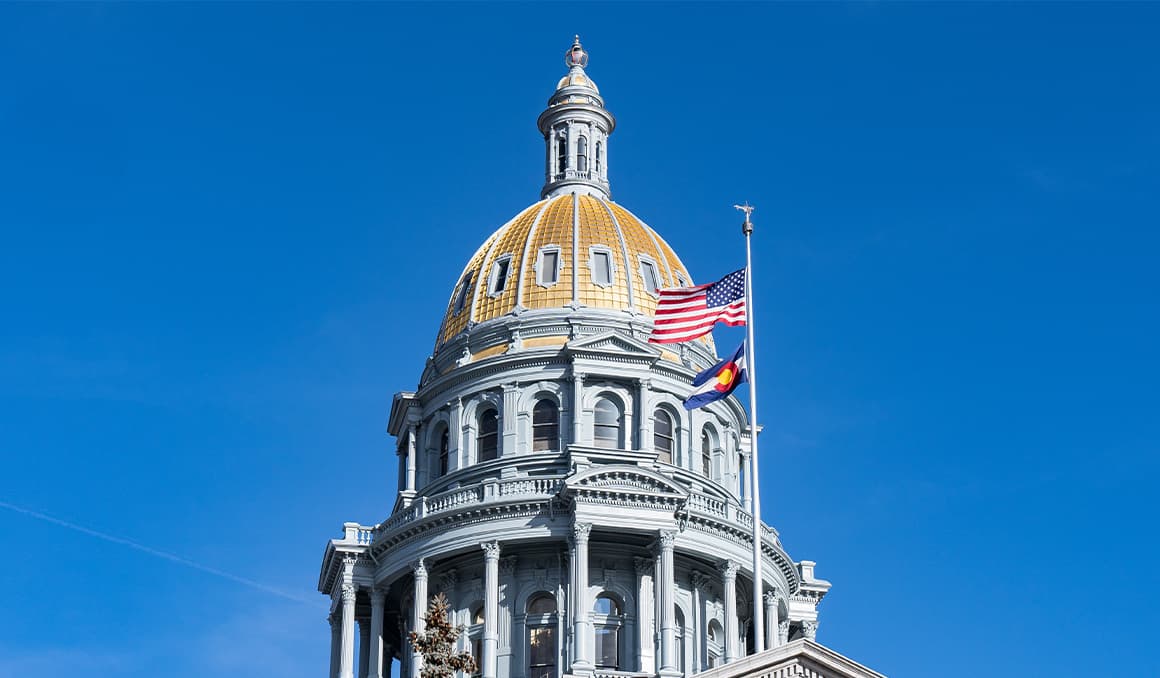
The Colorado Catholic Conference recently reviewed the state Legislature’s August special session on the state budget, finding that lawmakers’ priorities led to decisions that created higher taxes, more abortion funding, and unsustainable living conditions.
Democratic Gov. Jared Polis convened the state General Assembly last month to address Colorado’s unbalanced budget, which had been thrown off by $783 million when the federal “Big Beautiful Bill” Act went into effect and impacted tax policy. The act also changed eligibility for Medicaid reimbursements and coverage from the federal government for the Supplemental Nutrition Assistance Program (SNAP), which provides food benefits to low-income families.
The conference found that the changes could force the state to spend an extra $1 billion by 2032 but noted that “these projected state increases will only occur if Colorado refuses to follow the new eligibility restrictions outlined by Congress, ensuring the only persons eligible for Medicaid are those in need of the safety net, including the elderly, sick and disabled.”
According to the conference, Colorado’s lawmakers refused in the special session to align the state with the act’s changes. The decision reportedly increases the possibility that the state will lose more federal funding, increase the budget deficit, and escalate poverty and the cost of living in the state.
The conference supported the act’s changes to Medicaid and SNAP eligibility, noting that the updates are aligned with Church teaching because they allow for the Christian virtue of charity but emphasize the importance and necessity of work.
“Catholic Social Teaching supports reforming welfare to encourage responsibility, but it also insists that the poor cannot be abandoned,” the conference stated. “While reform can protect human dignity by encouraging work and avoiding dependency, it must always ensure that the truly vulnerable — children, the elderly, the disabled and those in crisis — are not left without help.”
The conference cautioned lawmakers against overstepping their bounds and ignoring the common good and subsidiarity. Doing so would “ultimately centralize welfare concerns on the state level … and unnecessarily increase taxation and dependency, thereby increasing the cost of living and poverty in Colorado,” the conference said.
The conference noted that the special session also focused on expanding abortion funding through state tax dollars since federal Medicaid funds legally cannot be used for abortions. Lawmakers passed legislation to reimburse Planned Parenthood and abortion providers an additional $4.4 million each year.
“This means, as of 2026, Colorado taxpayers will be spending over $6 million annually on abortion,” the conference stated. “While Gov. Polis called the legislature back to fix the budget, the pro-abortion majority instead increased access for abortion — tragically further entrenching a culture of death in Colorado.”
The special session also addressed regulations for the use of artificial intelligence, ultimately deciding to further discuss the issue in the next legislative session.