Court blocks federal citizenship database used to verify voter eligibility
A federal judge on June 22 blocked the Trump administration's overhaul of a federal citizenship verification database, ruling that officials unlawfully consolidated sensitive personal information from multiple agencies and shared inaccurate citizenship data that has been used by some states to remove eligible voters from registration rolls.

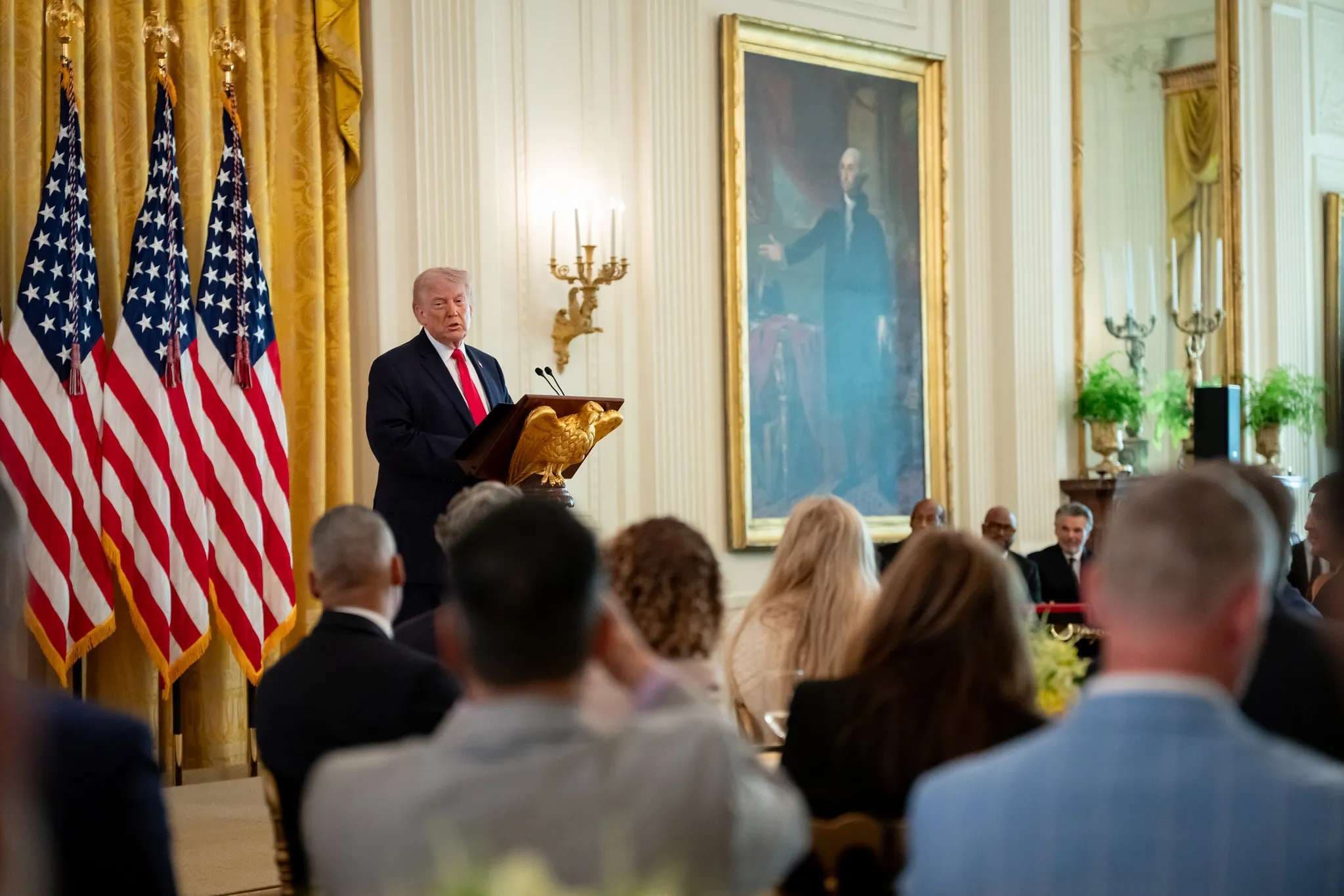
A federal judge on June 22 blocked the Trump administration's overhaul of a federal citizenship verification database, ruling that officials unlawfully consolidated sensitive personal information from multiple agencies and shared inaccurate citizenship data that has been used by some states to remove eligible voters from registration rolls.
U.S. District Judge Sparkle Sooknanan found that the administration violated the Social Security Act, the Privacy Act, and the Administrative Procedure Act when it expanded the Department of Homeland Security's (DHS) Systematic Alien Verification for Entitlements (SAVE) database to include information from the Social Security Administration and records on natural-born U.S. citizens.
"The federal government has knowingly trampled on the privacy rights of American citizens in a manner that threatens the sacred right to vote," Sooknanan wrote in a 75-page opinion.
The case stems from an executive order President Donald Trump signed last year directing federal agencies to create a system that would allow state and local election officials to verify the citizenship status of voter registration applicants to ensure no noncitizens vote in U.S. elections. Several provisions of that order have already been blocked by federal courts.
Plaintiffs, including the League of Women Voters and the Electronic Privacy Information Center, argued that the administration transformed the SAVE system into a centralized citizenship database by combining records from multiple federal agencies and permitting bulk searches by state officials.
According to the ruling, some states used the revised system to compare voter registration lists against federal records, resulting in some U.S. citizens being incorrectly identified as noncitizens and removed from voter rolls.
Justice Department attorneys argued that DHS had the authority to modernize the database and said only a small number of naturalized citizens may have inaccurate citizenship records. Sooknanan rejected that argument, calling it a "red herring" and writing that falsely labeling citizens as noncitizens carries serious consequences because it can imply unlawful voting activity.
The judge ordered the administration's changes to the SAVE system set aside, concluding that the agencies acted beyond their statutory authority and failed to follow required legal procedures.
The Trump administration is expected to appeal the decision to the U.S. Court of Appeals for the District of Columbia Circuit.