‘Devastation, confusion, moments of grace’: Journalist reflects on Katrina 20 years later

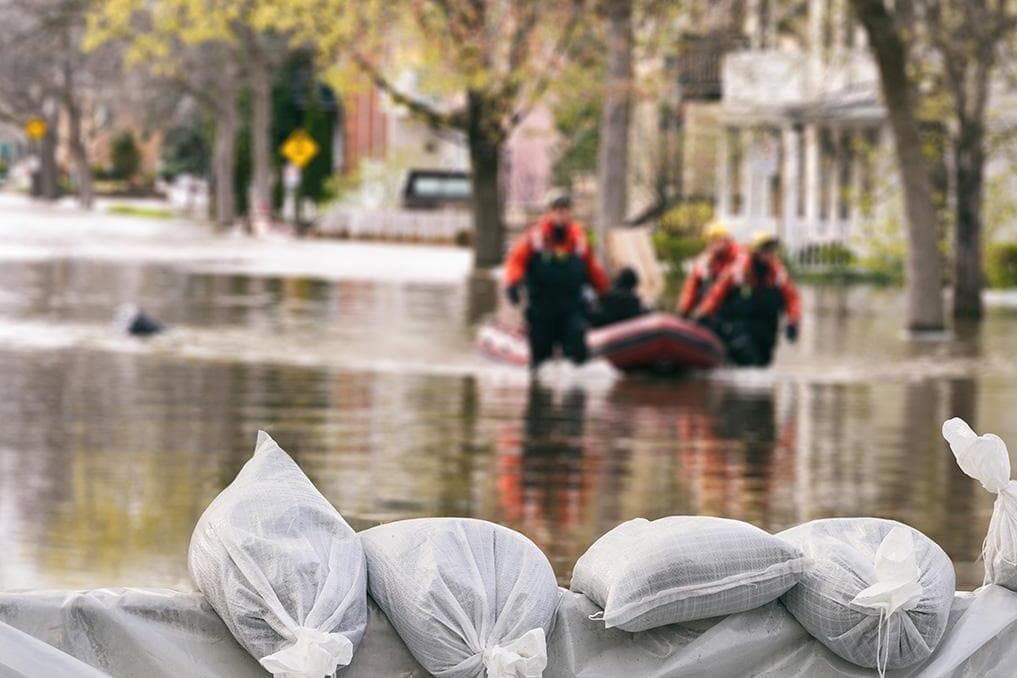
Two decades after Hurricane Katrina devastated the Gulf Coast, veteran journalist James Varney has offered a firsthand reflection not only on the destruction but on what he called the “great moments of grace” that arose in its aftermath.
Writing in an Aug. 28 article for RealClearInvestigations, Varney recounted how, in the midst of loss and confusion, he witnessed acts of courage and quiet resilience.
Then a reporter for The Times-Picayune in New Orleans, Varney remained behind as the storm approached, helping his wife and three children evacuate on Aug. 28, 2005.
“I figured they’d be gone a few days,” he wrote. “I wouldn’t see them again for more than a month.”
In the hours and days that followed, he covered the impact in St. Tammany Parish and beyond. While infrastructure failed and communication broke down, Varney observed moments of community and unexpected kindness. A couple invited him and a colleague onto their small boat to check on their home. The group passed houses with walls ripped open, navigating over fairways submerged beneath 8 or 9 feet of water. The couple’s home, remarkably, was intact.
Initially, Royal Street Grocery in the French Quarter became a meeting place and news hub. Its owner, Robert Buras, stayed behind with his wife and daughter, offering Varney and others food, shelter, and use of a working landline.
“The Royal Street Grocery became a makeshift news bureau for us,” Varney wrote.
He and others took turns guarding the store, though they were never threatened. A few days later, the Buras family locked up the shop and evacuated, leaving Varney and his colleague to find shelter elsewhere in the city.
On the street outside the Industrial Canal, just blocks from severe flooding, Varney saw residents grilling and talking.
“I witnessed the often heroic and dangerous efforts of human beings to wrest some sense of control in the midst of almighty chaos,” he wrote.
He also recounted a plea for help from a family whose relative was going into labor near the New Orleans Convention Center. Though he couldn’t assist medically, he ran several blocks to find an ambulance crew.
“To this day, I don’t know what happened to the woman or the baby,” he wrote.
Varney described the widespread fear and displacement he encountered but noted that many evacuees remained calm as they waited in the heat, often sitting in folding chairs along the sidewalk. He wrote that the chaotic scenes broadcast nationwide did not reflect the whole picture. When TV crews arrived, some people would rush into the street, falling to their knees, shouting, and waving for the cameras.
“When the camera wasn’t on them,” he wrote, “it was remarkable how patient and orderly everyone was.”
Months later, after reuniting with his family, Varney returned to a city still digging out from under the wreckage. He continued covering the slow, complicated recovery — exposing waste, missed opportunities, and layers of red tape. The Times-Picayune ultimately received two Pulitzer Prizes for its Katrina coverage. But for Varney, the recognition was no consolation.
He wrote, “I’d gladly give them back for Katrina to have never happened.”