Explainer: What is a Consistory of Cardinals and why Pope Leo XIV’s first one matters
With the announcement that Pope Leo XIV will convene his first Extraordinary Consistory of Cardinals Jan. 7–8, the Vatican has marked an early and significant moment in the new pontificate.

With the announcement that Pope Leo XIV will convene his first Extraordinary Consistory of Cardinals Jan. 7–8, the Vatican has marked an early and significant moment in the new pontificate.
When?
The meeting will take place just one day after the Pope closes the Holy Door of St. Peter’s Basilica on Jan. 6, the Solemnity of the Epiphany of the Lord — situating the consistory at a symbolic moment of transition from the Jubilee period to the ordinary governance of the Church.
What is a consistory?
The word “consistory” comes from the Latin consistorium, a term used in ancient Rome to describe the emperor’s private council, composed of his closest advisers. This body was known as the sacrum consistorium, the “sacred council.”
The Catholic Church adopted this concept to describe a formal assembly of the College of Cardinals, the body that assists the Pope in the governance of the universal Church. The term derives from the Latin word consistere, meaning “to stand,” referring to the posture of advisers in the presence of the emperor, the only one who remained seated on his throne.
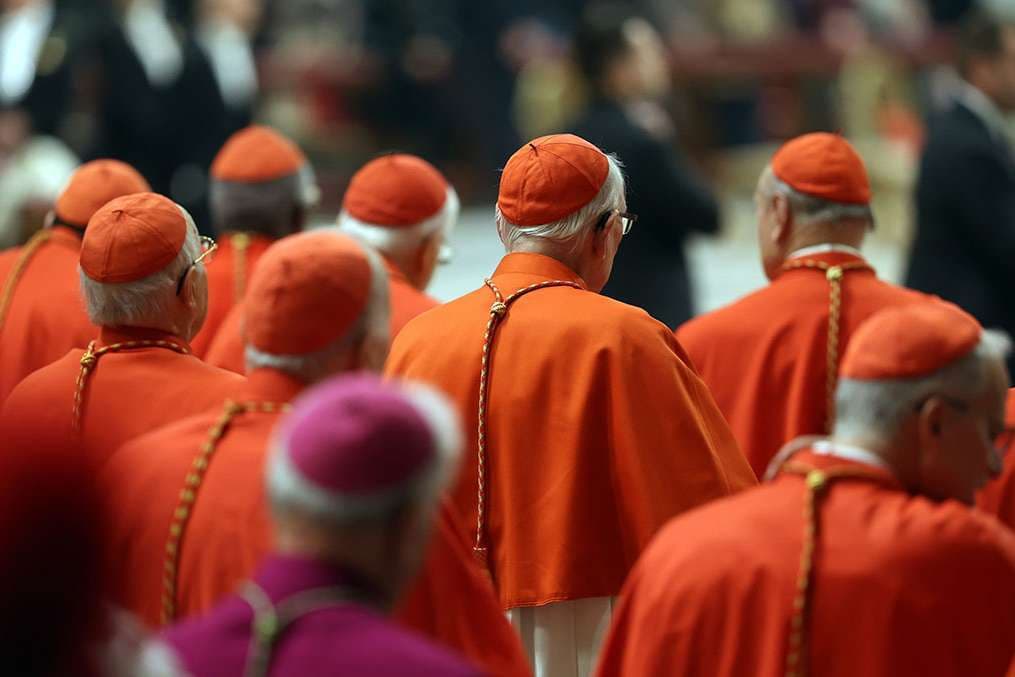
In the Church today, a consistory is a structured moment in which the Pope gathers the cardinals, both electors and non-electors, to advise, deliberate, and collaborate on matters affecting the life and mission of the Church.
Ordinary vs. extraordinary consistories
Under the 1983 Code of Canon Law, consistories are classified into two principal categories:
- Ordinary Consistories
These generally involve cardinals residing in Rome and are convened to address routine matters or to carry out solemn papal acts, such as the creation of new cardinals or the canonization of saints. - Extraordinary Consistories
These involve cardinals from around the world and are convoked to address grave or urgent matters of broader significance for the Church. Their purpose is to encourage collegial consultation and shared discernment on major issues, including curial reform or significant pastoral challenges.
Pope Leo XIV has chosen to convene an extraordinary consistory for his first such gathering, indicating a desire for wider participation by the College of Cardinals.
How recent popes have used extraordinary consistories
The frequency and use of extraordinary consistories have varied among recent pontificates:
- St. John Paul II convoked six extraordinary consistories, typically in connection with major developments or concerns in the life of the Church.
- Pope Benedict XVI did not formally convoke an extraordinary consistory, but he preceded all five of his ordinary consistories with full-day meetings involving open discussion with the College of Cardinals, effectively expanding their consultative character. One such meeting included his announcement of resignation.
- Pope Francis convened three extraordinary consistories, the most recent in 2022, dedicated to discussion of the reform of the Roman Curia following the promulgation of Praedicate evangelium.
The January 2026 gathering will be the second occasion on which the current College of Cardinals — the largest in the Church’s history — has met since the conclave held nine months earlier.
What will be discussed?
Official communications from the Vatican remain intentionally general.
According to the Holy See Press Office, the two-day meeting will include:
- “Moments of communion and fraternity”
- Periods dedicated to “reflection, sharing, and prayer”
- Opportunities for the cardinals to offer “support and counsel to the Holy Father in the exercise of his lofty and weighty responsibility in the governance of the universal Church”
- An emphasis on strengthening communion between the Bishop of Rome and the Cardinals in their shared responsibility for the good of the universal Church
In his letter convoking the consistory, Pope Leo XIV has asked the cardinals to prepare by rereading Pope Francis’ Evangelii gaudium and Praedicate evangelium, two foundational documents of the previous pontificate closely associated with themes of evangelization, curial reform, and synodality.
Rome-based journalist Diane Montagna reported in December 2025 that Italian journalist Nico Spuntoni confirmed that cardinals received a Christmas letter from the Pope that said part of the consistory's agenda includes discussing the liturgy.
What is expected?
Recent experience provides important context for how this consistory is being interpreted.
While Pope Francis frequently invoked synodality and reform, he did not build a reputation for seriously consulting the College of Cardinals before making major decisions. The clearest and latest example was the global backlash, especially the open resistance of the entire African episcopate, to the Vatican declaration Fiducia supplicans. In the end, Rome was forced to grant Africa a sweeping exception.
That episode highlighted ongoing questions about consultation, reception, and communication within the Church’s global governance structures.
Against this backdrop, Pope Leo XIV’s first extraordinary consistory is widely seen as an opportunity to strengthen channels of dialogue between the Pope and the College of Cardinals. Many observers are attentive to whether this meeting will function primarily as a symbolic gathering or as a forum for substantive exchange and consultation.
As such, the consistory may offer early indications not only of the priorities of the new pontificate but also of the style of governance Pope Leo XIV intends to pursue in collaboration with the cardinals of the universal Church.