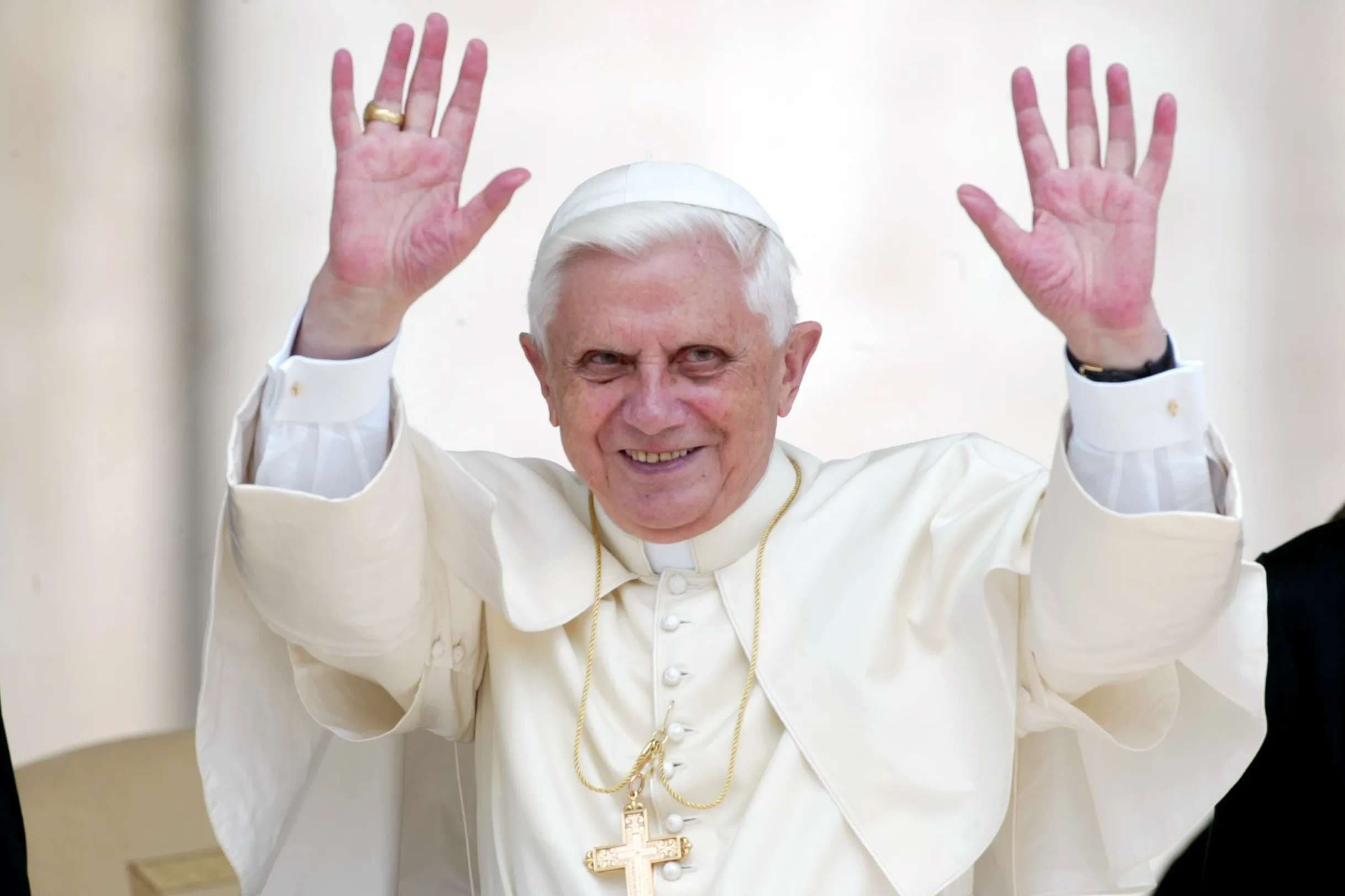
In celebrating Carmelite martyrs, Pope Leo expresses hope of uniting faith and nation
In celebrating Carmelite martyrs, Pope Leo expresses hope of uniting faith and nation
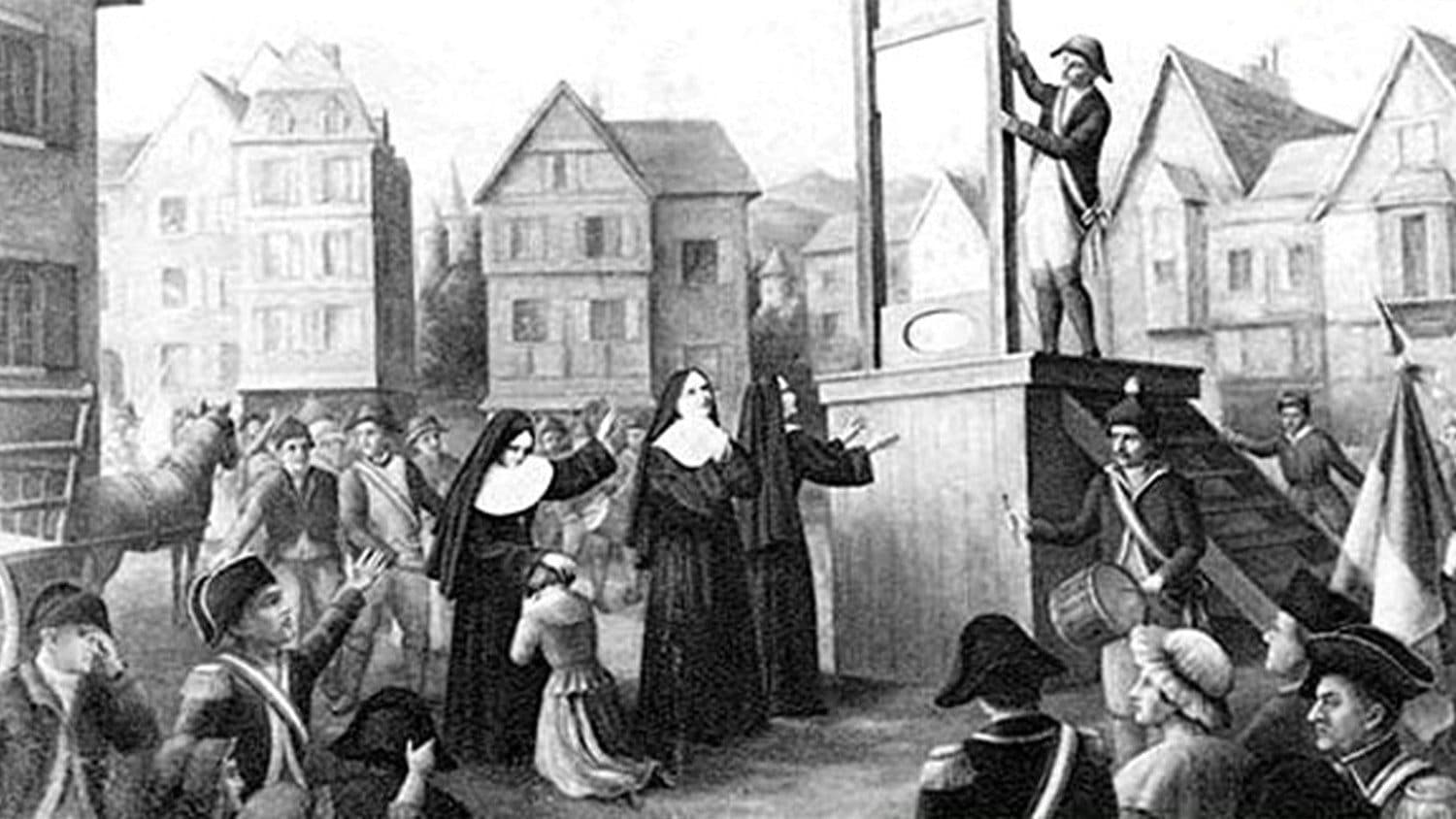
In a telegram sent on Saturday, Pope Leo XIV joined the faithful in celebrating the canonization of the 16 Carmelite nuns of Compiègne, whose execution during the French Revolution became a symbol of Christian forgiveness and the hope of reconciliation of faith and nation.
The message, signed by Cardinal Secretary of State Pietro Parolin and addressed to Archbishop Laurent Ulrich of Paris, was read during a Mass of Thanksgiving in the Cathedral of Notre-Dame in Paris.
The Carmelite nuns of Compiègne were executed by guillotine in Paris on July 17, 1794, during the height of the Reign of Terror. Accused of fanaticism and loyalty to the ancien régime, they responded with prayers and hymns as they mounted the scaffold.
Their martyrdom, marked by serenity and forgiveness, inspired generations of Catholics, artists, and writers. Their cause for canonization has long been considered distinctive: It was one of the rare cases where a group’s collective witness to charity and forgiveness was recognized as martyrdom. After years of devotion and study, Pope Leo XIV declared them saints in 2025.
The Pope expressed his “deeply pleased” joy in joining the thanksgiving resounding in Notre-Dame for the canonization. He reminded the faithful that, even after more than two centuries, the Carmelite nuns’ testimony continues to move hearts.
“Among the numerous faithful, religious, and priests martyred during the French Revolution, the Carmelite Nuns of Compiègne particularly aroused the admiration of their own jailers and impressed a beneficial stirring in the most hardened minds and hearts, opening the way to the divine,” the telegram read.
The Pope noted that their peace of heart, expressed in hymns and psalms as they faced death, was the fruit of “immense charity, but also of the theological faith and hope that inspired them.”
Pope Leo highlighted the nuns’ decision to turn their execution into a conscious act of religious offering.
“Before the scaffold, the Carmelite nuns of Compiègne were no longer victims of arrest, but authors of a supreme gift that made the offering of their religious vows contemporary. There, seemingly stripped of everything, they actually remained rich in their vows and the act of consecration with which they had freely offered their lives to God ‘so that peace might be restored in the Church and the State.’”
The Pope’s words echoed the Carmelites’ own desire to bridge the violent rupture between Church and civil order that defined revolutionary France.
The telegram also recalled the spirit of forgiveness expressed by the prioress, Mother Teresa of St. Augustine, who was the last to die. She turned to her executioners with a smile, saying: “How could we hold it against these poor wretches who open the gates of Heaven to us? I forgive you with all my heart, as I hope God forgives me!”
Pope Leo described this act of charity as the seal of their witness: “Total offering, forgiveness and gratitude, joy and peace: these are the fruits of charity that have invaded the souls of our martyrs. May we learn from them the strength and fruitfulness of an interior life completely focused on heavenly realities!”
The telegram concluded with Pope Leo imparting his Apostolic Blessing to the faithful gathered in Paris and to “the many people from further afield who join in this event that brings joy to the entire Church.”