Op-ed: Charlie Kirk’s legacy demands more from the pro-life movement

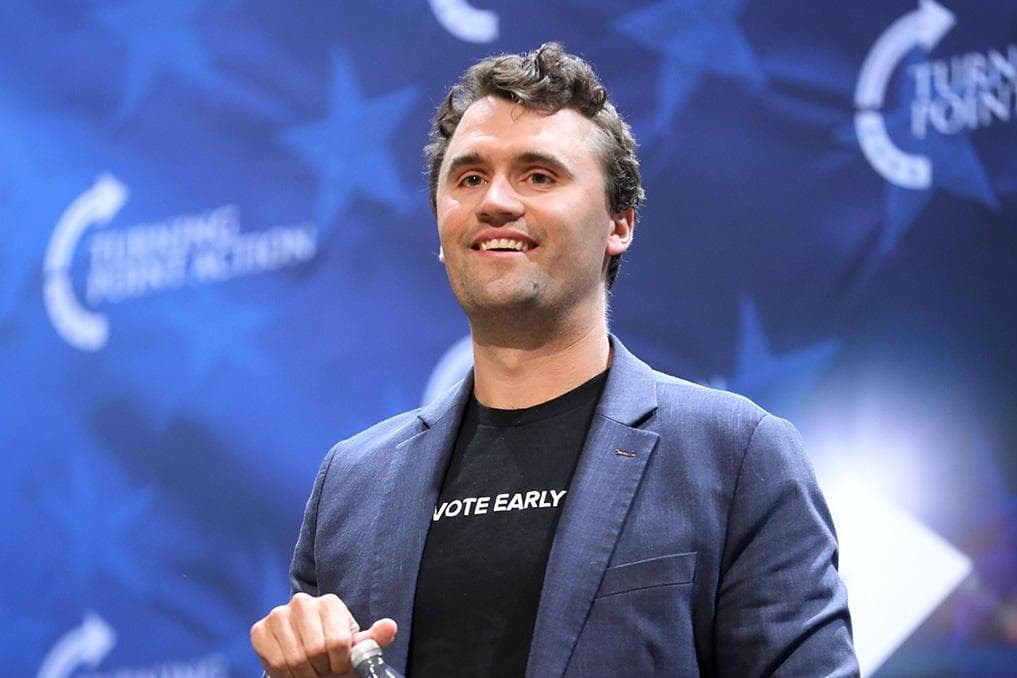
In the wake of Charlie Kirk’s death, former Colorado House Majority Leader Amy Stephens is calling on pro-life Americans to raise their voices more boldly than ever.
Writing in The Denver Post Sept. 22, Stephens argued that Kirk’s legacy — and the rising hostility faced by pro-life advocates — demands renewed courage and commitment.
“We must continue speaking on college campuses,” she said. “We must continue proclaiming the truth of life in the womb. We must continue helping women with unplanned pregnancies. And we must continue defending free speech at every turn — because warriors like Charlie Kirk showed us how.”
Stephens met Kirk only once, at a private fundraiser, but the encounter left a lasting impression.
“He was candid and unapologetic,” she recalled, especially in describing the growing divide among Gen Z students: “More Gen Z men, he explained, were becoming conservative, while more Gen Z women were increasingly hostile — particularly to his pro-life stance.”
That night, Kirk mentioned his plan to return home immediately after the event to be with his wife and baby daughter. Stephens saw in him a man both exhausted and unwavering, someone committed to “raising children with biblical values and changing the culture.”
But Stephens warned that the cultural climate for pro-life advocates has grown far more dangerous than it once was.
“When I was in my twenties, speaking about abortion in ‘free speech’ zones at USC, UCLA, Cal State Long Beach, and other campuses wasn’t something I thought twice about,” she wrote. “Even when hundreds gathered and campus police showed up, I had no fear of being shot for exercising free speech. Spit on? Yes. Screamed at? Absolutely. Shot? No.”
Today, however, she sees a very different reality — one where, as she puts it, “the stage was already being set for the dangerous narrative that ‘violence is acceptable when ideas are challenged.’”
Stephens pointed to the increasing use of government power against pro-life groups and Christians, particularly in states that have “positioned themselves as abortion havens.” From legislative debates to campus protests, she argued that the public square has become increasingly intolerant.
“I have watched in horror as those elected to represent us are shouted down, gaveled out of order mid-debate, and labeled ‘hateful’ for challenging issues like transgenderism,” she said.
She warned that “as increasingly militant voices in our culture have joined the ranks, the environment has become even more intolerant.”
In this climate, Kirk’s pro-life message was fundamentally at odds with the dominant ideology on many college campuses. Stephens argued that while Kirk trained students to debate respectfully on issues like life, liberty, family, and marriage, he was up against a campus culture shaped by progressive professors who portray dissenting views as dangerous and even justify aggressive responses when their ideas are challenged.
“So, is it any wonder that while Charlie Kirk trained a new generation of leaders on campuses to respectfully debate the truths they believe — life, liberty, family and marriage — he would be targeted for it?” she said.
Stephens ended her piece with a spiritual charge, drawing on the witness of the early Church.
“The gospel spread after the death of Jesus,” she said. “His disciples picked up the mantle, even though those same forces wanted to kill them, too. That must be our example in light of Charlie Kirk’s death.”