People are selling their ‘likeness’ to be in generative AI commercials: one actor shares about his regrets
People are selling their ‘likeness’ to be in generative AI commercials: one actor shares about his regrets

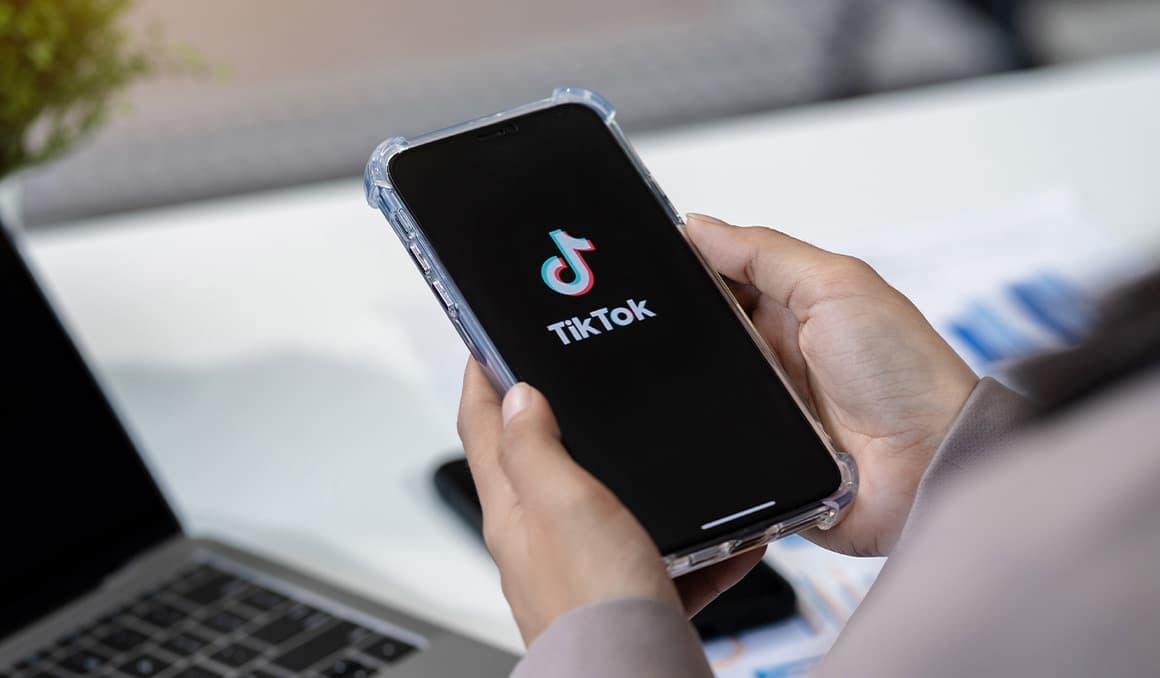
A Texas-based actor licensed his “likeness” to TikTok in 2024, which allowed companies to use generative artificial intelligence (AI) and his digital avatar to promote their products, according to The New York Times. But now that he has seen the outcome of the exchange, he has regrets.
Scott Jacqmein, 52, had spent several years in acting before he undertook the licensing endeavor. An outside agency — the name of which was not disclosed in the Times report — “said it was gathering footage for avatars that would be used for advertising on TikTok for a year,” journalist Sapna Maheshwari reported for the Times article.
Seeking to expand his career, Jacqmein said he was paid $750 and a trip to the Bay Area for the project; however, he says that the full ramifications of the licensing were not disclosed.
“Mr. Jacqmein and another actor said the agency had not mentioned that their avatars could be used on other ByteDance platforms, like its image-editing app,” the Times reported. Jacqmein also said the agency led him to believe he would receive royalties when his avatar was used, which did not turn out to be the case.
At the time, Jacqmein was also not represented by an agent — but now he is, and he said that he wished he had negotiated for more compensation or specified what products he was okay with his avatar promoting.
An AI-generated appearance of Jacqumein has since appeared in commercials on TikTok promoting a brain teaser app, a daily horoscope app, and an insurance-quote marketplace, according to the Times.
In one of the commercials, his avatar speaks fluent Spanish — which Jacqmein himself cannot do.
Jacqmein’s friends and acquaintances sometimes come across commercials featuring his avatar and ask him about it. The Times reported that although TikTok’s AI-generated commercials include a label disclosing them as such, they “otherwise seem like testimonials from real people.”
Jacqmein also told the Times that he is “definitely not anti-A.I., and I’m not anti-TikTok,” but later added, “you really don’t know the ramifications of this.”
For TikTok’s part, a company spokeswoman told the Times that their standard is transparency and safety.
“In the fast-paced, ever-evolving A.I. landscape, we maintain strict oversight of our ad products and vendor relationships to protect transparency and safety,” the spokeswoman told the outlet. “When agencies fall short of our standards, we do not hesitate to end those partnerships.”
The platform’s ads guidelines also “include prohibitions on sexual services, profanity, hate speech and violence,” the Times reported, offering “a key assurance for potential performers that their likenesses will not be misused.”
The ramifications — and the very concept — of licensing one’s “likeness” to be a digital avatar falls among a plethora of dilemmas and concerns created by the “Wild West” of artificial intelligence. Elsewhere in the uncharted AI field, people have begun needing to clarify when AI-generated versions of themselves are circulating without their permission.
In August, Bishop Robert Barron issued a statement condemning a string of AI-generated videos that impersonated him online, warning that they are not just “harmless fun.”
The fake videos are “doing damage to my reputation but also damage to people who are being defrauded,” the bishop said.
In May, YouTube closed down a channel that used AI to create homilies falsely attributed to Pope Leo XIV, as CatholicVote previously reported. Before the platform took the channel down, nearly 18,000 accounts had subscribed to it, and the channel had reached almost one million views.
Pope Leo has already begun offering guidance on ethical use of AI, saying in June that discussions about the technology have to, according to CatholicVote’s report, “account for the spiritual, material, and intellectual well-being of human persons.”