Pope Leo: At the dawn of the new year, God blesses humanity with freedom, peace, and an ‘unarmed’ Love
Celebrating his first Holy Mass of 2026 on the Solemnity of Mary, Mother of God, Pope Leo XIV invited the faithful to receive the year ahead as a gift of freedom, mercy, and peace, rooted in the “unarmed and disarming” love revealed in the mystery of the Incarnation.

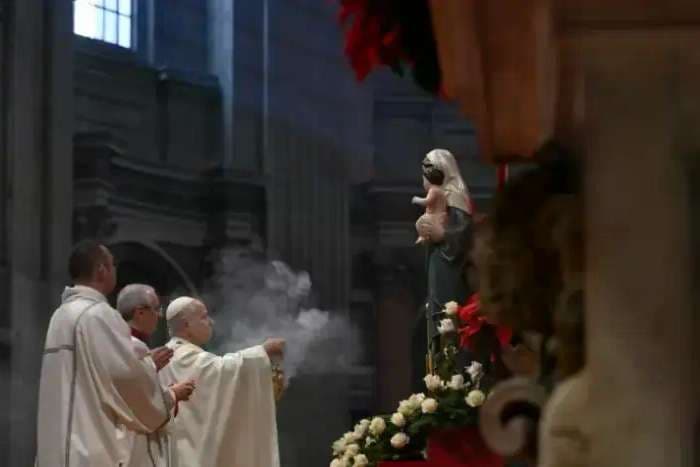
Celebrating his first Holy Mass of 2026 on the Solemnity of Mary, Mother of God, Pope Leo XIV invited the faithful to receive the year ahead as a gift of freedom, mercy, and peace, rooted in the “unarmed and disarming” love revealed in the mystery of the Incarnation.
Presiding at the Papal Mass in St. Peter’s Basilica at 10:00 AM Rome time, the Pope opened his homily by drawing attention to the biblical blessing proclaimed in the liturgy: “May the Lord bless you and keep you. May the Lord let his face shine on you and be gracious to you. May the Lord uncover his face to you and bring you peace” (Num 6:24–26). He described it as “a beautiful blessing” that sets the tone for the new year and reveals God’s way of relating to his people.
At the beginning of the new year, the Pope continued, the liturgy reminds believers that “for each of us, every day can be the beginning of a new life, thanks to God’s generous love, his mercy and the response of our freedom.”
He invited the faithful to view the coming year “as an open journey to be discovered,” one that, through grace, can be undertaken “with confidence – free and bearers of freedom, forgiven and bringers of forgiveness, trusting in the closeness and goodness of the Lord who accompanies us always.”
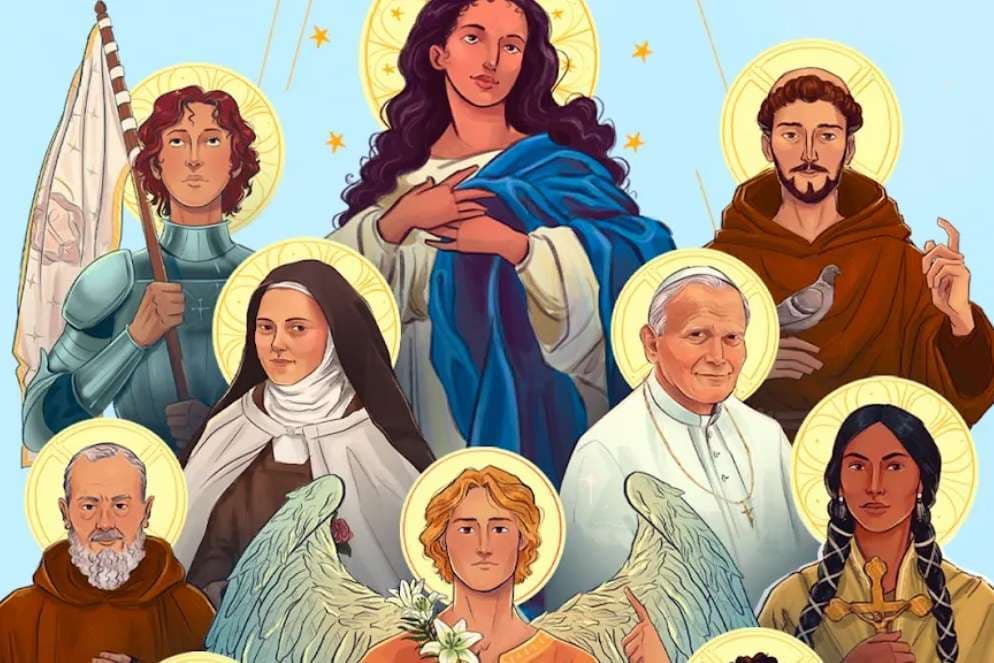
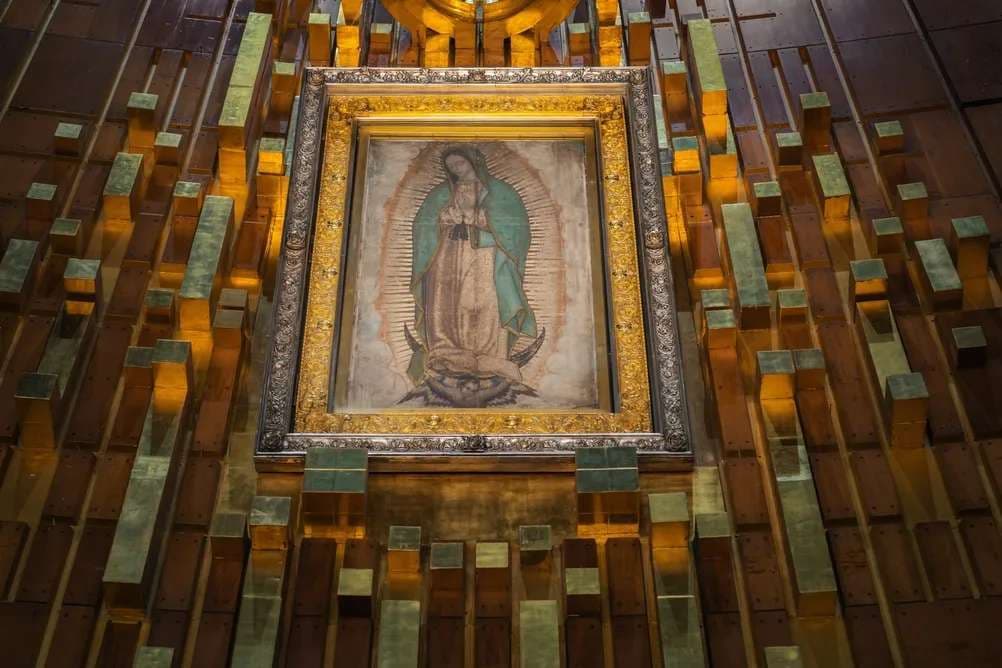
This perspective, Pope Leo explained, is inseparable from the mystery celebrated on the Solemnity of Mary, Mother of God, on Jan. 1. By her “yes,” he said, Mary “helped give a human face to the source of all mercy and benevolence: the face of Jesus.”
The Pope urged the faithful, as the Church sets out into the days ahead, to ask the Lord “to help us experience at every moment, around us and upon us, the warmth of his fatherly embrace and the light of his benevolent gaze.”
In doing so, he said, believers may better understand “who we are and towards what marvelous destiny we are heading”, while giving glory to God “through prayer, holiness of life, and by becoming mirrors of his goodness for one another.”
Pope Leo then cited Saint Augustine, who wrote that in Mary “the Creator of man became man,” accepting hunger, vulnerability, and dependence “in order to free us, even though we were unworthy.” St. Augustine’s words, the Pope said, illuminate “one of the fundamental features of God’s face: the complete gratuity of his love.”
This theme, he recalled, was central to his Message for the World Day of Peace, which the Catholic Church celebrates every Jan. 1. God, he said, presents himself to humanity “unarmed and disarming,” “as naked and defenseless as a newborn in a cradle,” in order to teach that the world is not saved “by sharpening swords, nor by judging, oppressing or eliminating our brothers and sisters.” Rather, he said, it is saved “by tirelessly striving to understand, forgive, liberate and welcome everyone, without calculation and without fear.”
In Mary’s divine motherhood, the Pope said, two immense and “unarmed” realities meet: God, who “renounces every privilege of his divinity to be born in the flesh” and a human person who freely and trustingly embraces God’s will. In a perfect act of love, he said, Mary offers God “the greatest power she possesses: her freedom.”
Pope Leo recalled Saint Pope John Paul II’s homily at the conclusion of the Great Jubilee of the Year 2000, in which the pope invited the faithful to contemplate what the shepherds encountered in Bethlehem: “the disarming tenderness of the Child, the surprising poverty in which he is found and the humble simplicity of Mary and Joseph.”
Pope Leo also noted that St. John Paul II spoke those words after a Jubilee marked by forgiveness, remembrance of the martyrs, and attention to the poor; moments in which believers “glimpsed the saving presence of God in history” and “physically felt his love which renews the face of the earth.”
From that encounter, John Paul II said, flows a renewed mission: a “courageous readiness to set out once again to proclaim his Gospel, old and ever new.”
Concluding his homily, Pope Leo invited the faithful, at the beginning of the year and as the Jubilee of Hope draws to a close, to “draw near to the Nativity scene in faith,” approaching it as the place of “unarmed and disarming” peace par excellence. From there, he said, like the shepherds of Bethlehem, believers are called to set out once more, “glorifying and praising God” (Lk 2:20) for all that they have seen and heard, making this their commitment not only for the months ahead, but “for the whole of our Christian lives.”