Pope Leo encourages journalists to defend truth in an age of media crisis
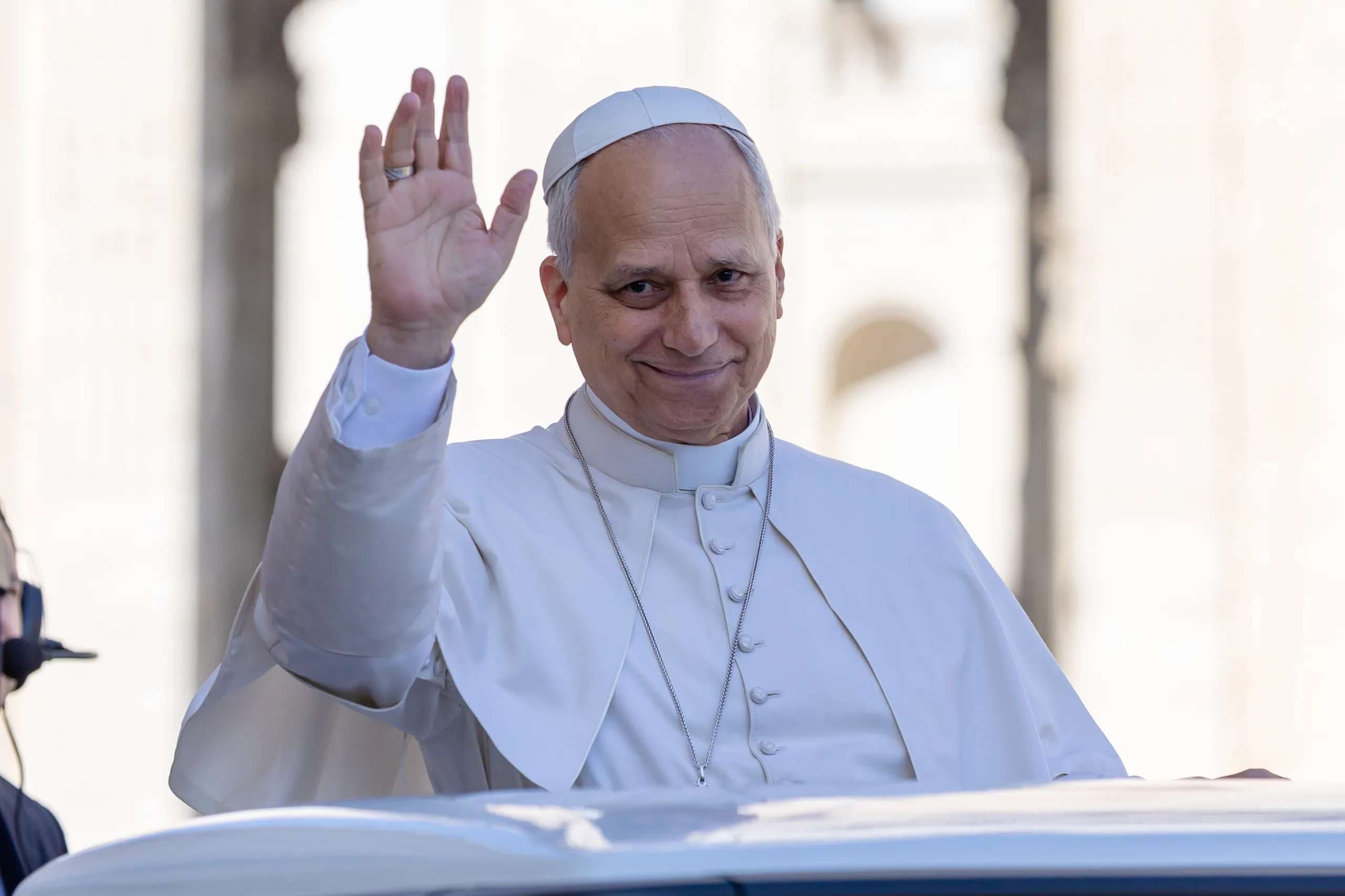
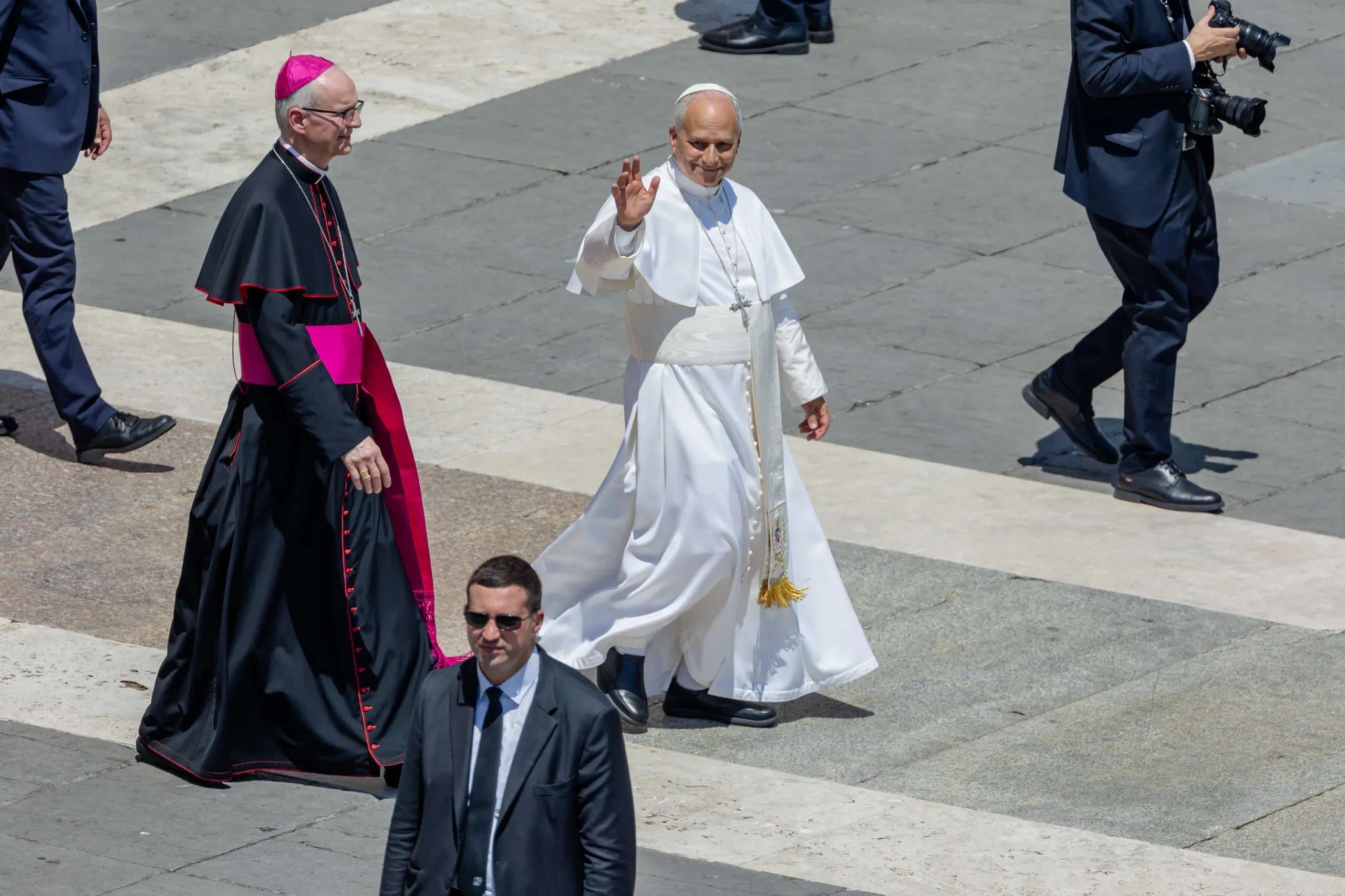
At a time when misinformation and media distrust dominate public life, Pope Leo XIV reminded journalists Oct. 9 that truth-telling is a moral act rooted in human dignity — a message especially vital for Catholics navigating a digital world.
At a time when misinformation and media distrust dominate public life, Pope Leo XIV reminded journalists Oct. 9 that truth-telling is a moral act rooted in human dignity — a message especially vital for Catholics navigating a digital world.
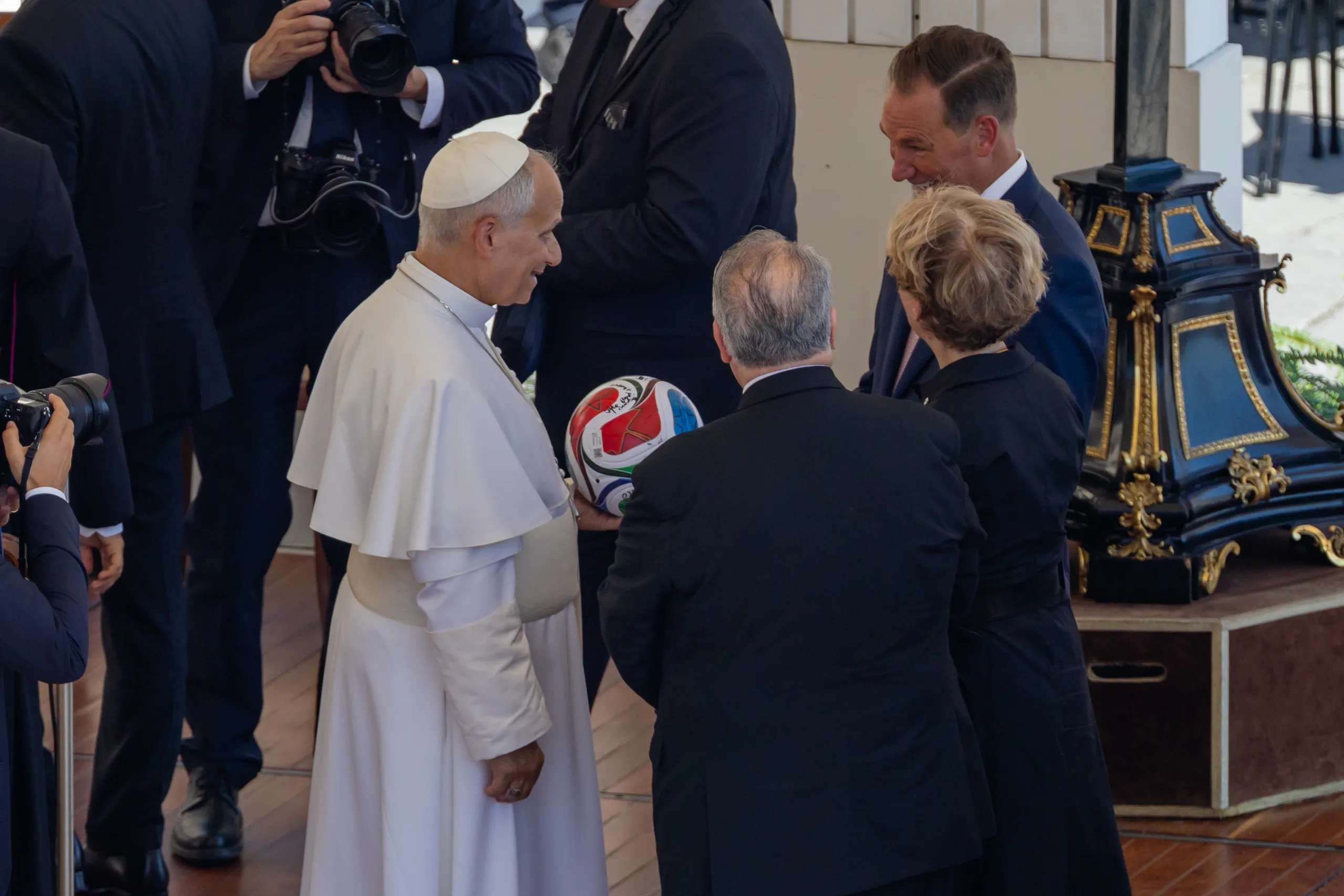
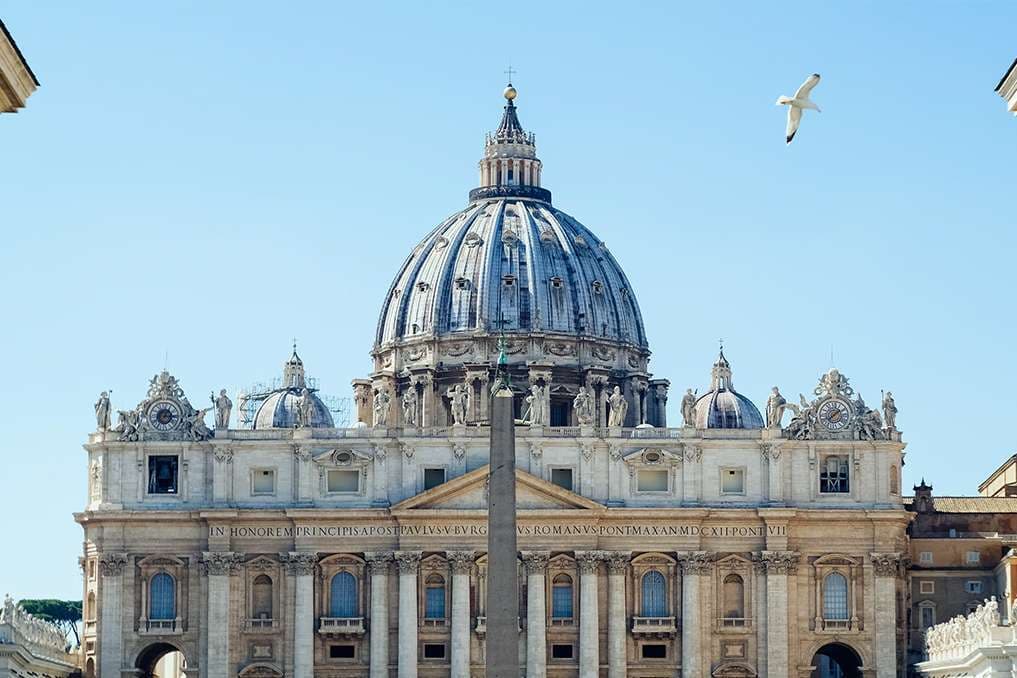
He spoke to participants in the 39th MINDS international conference, which was held Oct. 9 and 10 in Rome on the theme of “Trust in the Future of News – Independence. Innovation. Growth.” MINDS is a nonprofit network of news agencies. Senior managers who work at the network’s members, which include Reuters and the Associated Press, discuss business development technology, and news and media trends.
Addressing the group, which gathered in the Apostolic Palace’s Clementine Hall, the Pontiff remarked that the media “has a crucial role in forming consciences and helping critical thinking” and citizens and journalists should protect the “public good” of information. Active citizenship includes supporting journalists and news agencies that show commitment to the truth.
“It is a paradox that in the age of communication, news and media agencies are undergoing a period of crisis. Similarly, those who consume information are also in crisis, often mistaking the false for the true and the authentic for the artificial. Yet, no one today can say, ‘I did not know,’” the Pontiff said. “That is why I want to encourage you in your important work and recommend opportunities for collaboration, which allow you to reflect together.”
He reiterated his support for the release of reporters who have died and been unjustly imprisoned while seeking to provide eyewitness accounts to inform people and protect people from being manipulated.
“Doing the work of a journalist can never be considered a crime, but it is a right that must be protected,” he said. “Free access to information is a pillar that upholds the edifice of our societies, and for this reason, we are called to defend and guarantee it.”
He said it is necessary to remember the members of the media who have been killed doing this work, adding that they are “victims of war and of the ideology of war, which seeks to prevent journalists from being there at all.”
The Pontiff also said communication must be free from “unfair competition” and clickbait and that news agencies should protect the right to “accurate and balanced information” while remaining financially resilient. To avoid spreading “‘junk’ information,” journalists who report breaking news must be competent, courageous and ethical, according to the Pope.
He noted the risks of artificial intelligence (AI), which produce content at an unprecedented pace.
“Artificial intelligence is changing the way we receive information and communicate, but who directs it and for what purposes? We must be vigilant in order to ensure that technology does not replace human beings, and that the information and algorithms that govern it today are not in the hands of a few,” he said.
He urged listeners to persevere in sharing the truth and “never sell out” their authority. Rather, they should utilize the news values of transparency of sources and ownership, accountability, quality and objectivity.
These, he said, “are the keys to restoring the role of citizens as protagonists in the system, convincing them to demand information worthy of the name.”
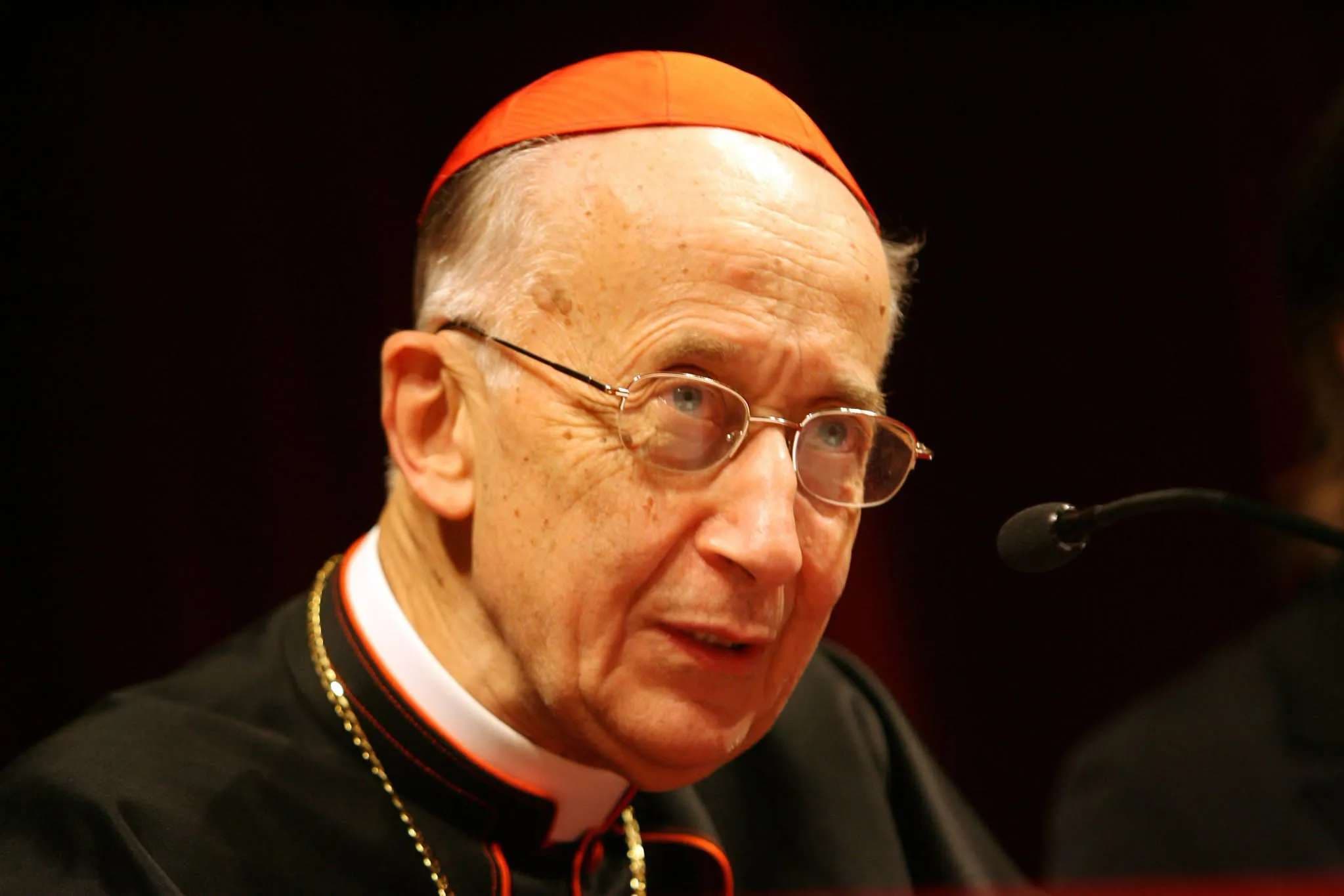
Paolo Ruffini, prefect of the Dicastery for Communication, also addressed conference participants, Vatican News reported.
“Without facts, there can be no truth. Without truth, there can be no trust. Without these three elements, we lack a shared reality,” he said in his keynote address, according to an Oct. 10 Vatican News article. “There can be no journalism, and there can be no democracy.”