Pope Leo on Jesus’ final cry from the cross: A prayer of hope, not despair
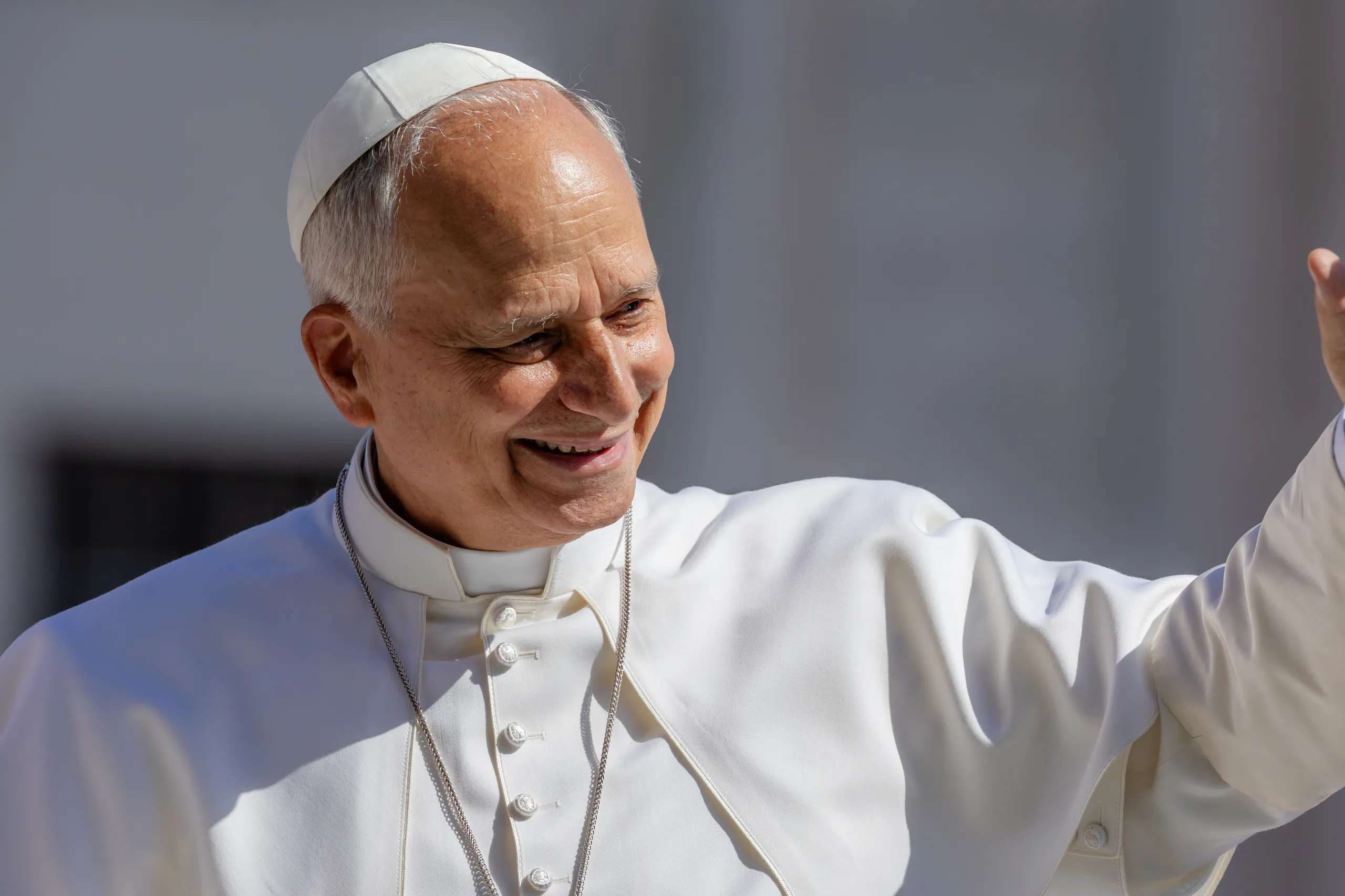
During his Sept. 10 general audience in St. Peter’s Square, Pope Leo XIV reflected on Christ’s final cry from the cross before his death.

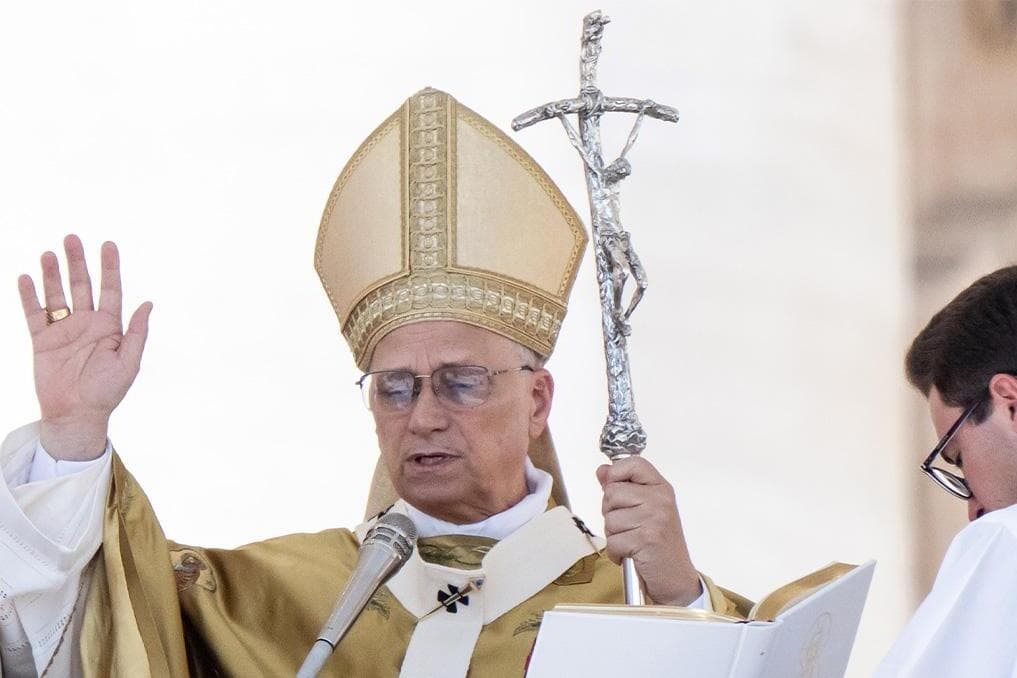
During his Sept. 10 general audience in St. Peter’s Square, Pope Leo XIV reflected on Christ’s final moments on the cross, focusing on the loud cry that marked His death.
Continuing his catechetical series for the Jubilee Year of Hope, the Holy Father turned the faithful's attention to the final cry of Jesus, a moment that encapsulates both the agony and the profound surrender of the Son of God.
“‘Jesus uttered a loud cry, and breathed his last,’” the Pope quoted from the Gospel of Mark (15:37), emphasizing the significance of that cry as more than a bodily collapse.
“That cry contains everything: pain, abandonment, faith, offering,” he said. “It is not only the voice of a body giving way, but the final sign of a life being surrendered.”
Pope Leo acknowledged the mystery and weight of Christ’s preceding words: “My God, my God, why hast thou forsaken me?” — the opening line of Psalm 22. He explained that Jesus, though in the abyss of apparent abandonment after having lived in “intimate communion with the Father,” was not despairing.
“It is not a crisis of faith,” the Pope said, “but the final stage of a love that is given up to the very end. Jesus’ cry is not desperation, but sincerity, truth taken to the limit, trust that endures even when all is silent.”
>> Pope Leo in General Audience: Jesus shows us how to ‘move forward with dignity’ after betrayal <<
As the Gospels recount the darkening sky and the torn veil of the temple, Pope Leo said that these signs are not just symbolic.
“It is as if creation itself was participating in that pain, and at the same time revealing something new,” he noted.
In that moment, God was no longer veiled; His presence was made visible in the suffering body of Christ.
The Holy Father also drew attention to the response of the Roman centurion who witnessed Jesus’ death: “Truly this man was the Son of God!” (Mk 15:39).
Pope Leo described this as the first post-Crucifixion confession of faith, prompted by the raw, powerful reality of Jesus’ final moments.
“Learning from the Centurion, may our cries of faith, united with the voice of Christ, be a sign of hope and trust in a heavenly Father who hears the cry of his children,” he said.
Pope Leo challenged contemporary notions of emotional restraint, asserting that crying out can be profoundly human and spiritual.
“The Gospel confers an immense value to our cry,” he explained, “reminding us that it can be an invocation, a protest, a desire, a surrender. It can even be the extreme form of prayer, when there are no words left.”
Far from despair, Jesus’ final cry was a deep act of trust, according to the Pontiff.
“Jesus did not cry out against the Father, but to him,” he said.
Even in silence, Jesus remained convinced the Father was near, “And, in this way,” Pope Leo said, “he showed us that our hope can cry out, even when all seems lost.”
>> Pope Leo: Nothing more human and divine than to say, ‘I need’ <<