State terrorism charges against Luigi Mangione dropped in CEO murder
A New York judge on Sept. 16 dismissed state terrorism charges against Luigi Mangione, the 27-year-old accused of murdering UnitedHealthcare CEO Brian Thompson outside a Manhattan hotel in December 2024.

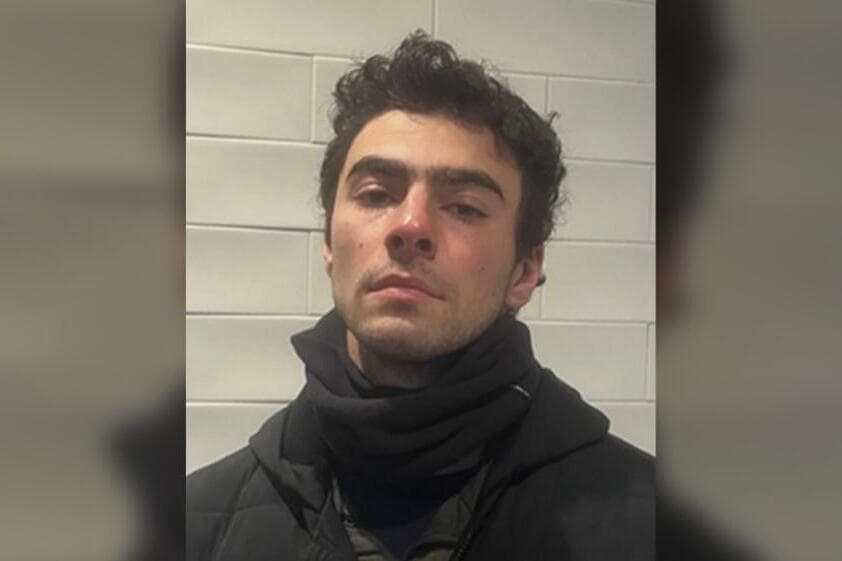
A New York judge on Sept. 16 dismissed state terrorism charges against Luigi Mangione, the 27-year-old accused of murdering UnitedHealthcare CEO Brian Thompson outside a Manhattan hotel in December 2024.
Judge Gregory Carro threw out two counts — murder in the first degree in furtherance of an act of terrorism and murder in the second degree as a crime of terrorism — calling the charges “legally insufficient.”
"There was no evidence presented of a desire to terrorize the public, inspire widespread fear, engage in a broader campaign of violence, or to conspire with organized terrorist groups," Carro wrote. "Here, the crime — the heinous, but targeted and discrete killing of one person — is very different from the examples of terrorism set forth in the statute."
Thompson was shot and killed on Dec. 4, 2024, CatholicVote previously reported, and on Dec. 9, police arrested Mangione as the prime suspect. He comes from a highly prominent Catholic family in Baltimore, Maryland, CatholicVote also reported.
In a June filing, prosecutors argued that Mangione aimed to intimidate UnitedHealthcare employees and trigger “revolutionary change to the healthcare industry,” according to The Hill. In writings before the shooting, Mangione reportedly claimed he wanted to expose “everything wrong with our health system.”
However, Carro argued that treating those motives as terrorism risked trivializing the word’s meaning.
“While the defendant was clearly expressing an animus toward UHC, and the health care industry generally, it does not follow that his goal was to ‘intimidate and coerce a civilian population,’ and indeed, there was no evidence presented of such a goal,” Carro wrote.
Mangione still faces nine other state charges, including eight weapons offenses and second-degree murder, which carries a sentence of 25 years to life, CBS News reported. He also faces federal charges that carry the possibility of the death penalty.
In April, Attorney General Pam Bondi described the killing as a “premeditated, cold-blooded assassination” and directed federal prosecutors to seek capital punishment.
According to Carro’s ruling, Mangione’s defense team also asked to dismiss all state charges, arguing they may prejudice his federal trial and violate the Constitution’s double jeopardy clause, which bars prosecuting the same act twice.
Carro rejected the request as “premature” and ruled that the concurrent state and federal prosecutions do not violate double jeopardy.
Carro also declined to rule on defense motions to suppress evidence taken from Mangione’s backpack — including a gun and a notebook — or to exclude police statements, CBS reported. The outlet said hearings on those issues are set for Dec. 1 and will determine whether non-witness testimony is admissible.