Tulsi Gabbard resigns as Trump intelligence chief
Tulsi Gabbard resigned May 22 from her role as President Donald Trump’s director of national intelligence, saying she would step down to care for her husband after his diagnosis with a rare form of bone cancer, becoming the fourth Cabinet-level official to leave during Trump’s second term.

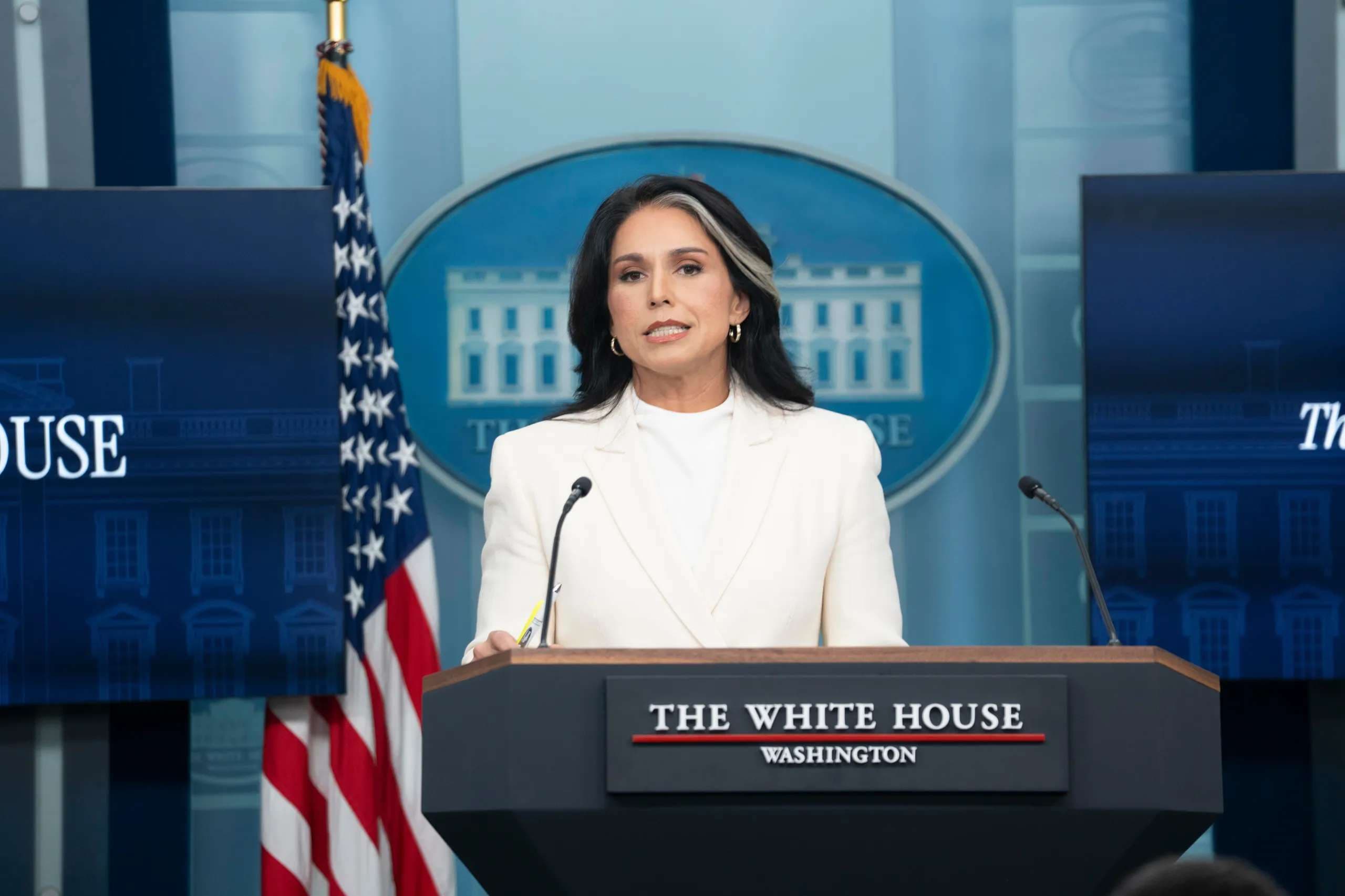
Tulsi Gabbard resigned May 22 from her role as President Donald Trump’s director of national intelligence, saying she would step down to care for her husband after his diagnosis with a rare form of bone cancer, becoming the fourth Cabinet-level official to leave during Trump’s second term.
In a resignation letter posted on X, Gabbard said her resignation would take effect June 30 and that her husband, Abraham Williams, faces “major challenges in the coming weeks and months.”
“At this time, I must step away from public service to be by his side and fully support him through this battle,” Gabbard wrote.
Trump praised Gabbard’s tenure in a statement on Truth Social and announced that Principal Deputy Director of National Intelligence Aaron Lukas would serve as acting director.
“Tulsi has done an incredible job, and we will miss her,” Trump said, adding that he hoped Williams would recover quickly.
Allegations of surveillance
On the day of Gabbard’s resignation, two Republican lawmakers called attention to allegations that CIA operatives improperly monitored Gabbard’s office as her team was investigating sensitive matters such as the origins of COVID-19, the assassination of President John F. Kennedy, Havana Syndrome, and unidentified anomalous phenomena, or UAPs.
The allegations stem from CIA whistleblower testimony given earlier this month before the Senate Homeland Security and Governmental Affairs Committee and reporting by journalist Catherine Herridge, who said she began receiving “credible reporting” as early as February that members of Gabbard’s investigative team were being tracked because their work was uncovering “uncomfortable facts.”
CIA officer James Erdman III testified under subpoena May 13 that the agency monitored members of Gabbard’s Director’s Initiative Group, including activity on government computers and phones, while they pursued internal investigations and declassification efforts.
Erdman alleged the CIA interfered with declassification reviews, reclaimed files, and retaliated against analysts who challenged official assessments. Among the files the CIA reportedly inappropriately reclaimed were boxes of JFK assassination and MKUltra records.
A CIA spokesperson rejected the allegations and said the hearing was “dishonest political theater masquerading as a congressional hearing.”
Sen. Rand Paul, R-Ky., chairman of the Senate Homeland Security and Governmental Affairs Committee, wrote on X May 22 that “the CIA appears to be ILLEGALLY SPYING on @DNIGabbard’s team” and said lawmakers needed “to get to the bottom of what they’re hiding.”
Paul also quoted Herridge’s reporting and said there would be “more to come.”
Sen. Mike Lee, R-Utah, responded that “if CIA is undermining @DNIGabbard, that’s a problem. A huge problem.”