USCCB report: The National Eucharistic Revival’s impact, 3 years later
On Jan. 15, the USCCB published an assessment of the experience that lay Catholics, priests, consecrated religious, and Church staff had during the revival, revealing positive impacts of the National Eucharistic Revival and areas still in need of growth.

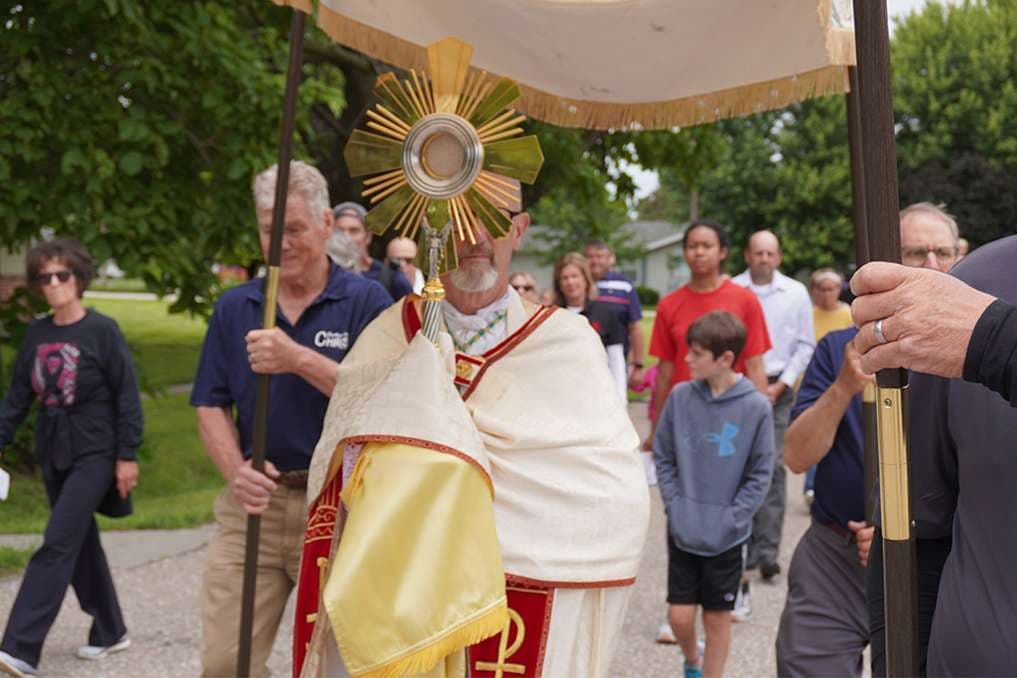
In 2022, the United States Conference of Catholic Bishops (USCCB) launched the three-year National Eucharistic Revival, which included nationwide Eucharistic processions, increased Eucharistic adoration, and catechesis, among other efforts to encourage evangelism and increase Catholics’ understanding of and belief in the Real Presence of Jesus in the Eucharist.
On Jan. 15, the USCCB published an assessment of the experience that lay Catholics, priests, consecrated religious, and Church staff had during the revival, revealing positive impacts of the initiative and areas still in need of growth.
Conducted in collaboration with Vinea Research Group during the summer and fall of 2025, the study surveyed 2,500 lay Catholics, clergy, and Church staff on “personal transformation, parish engagement, and future opportunities,” according to a National Eucharistic Congress (NEC) press release.
According to Archbishop Charles Thompson, chairman of the USCCB Committee on Evangelization and Catechesis, the study had two phases: in the first, an unspecified number of Catholics shared in a one-on-one interview with the researchers about their experiences of the revival.
“These interviews shaped the questions included in the full survey sent out in the second phase,” Archbishop Thompson noted, adding that quotes from these interviews are included throughout the report.
The second phase of the study was a general survey sent to “a broad number of individuals,” including Catholics who received regular communications about the Revival (such as those who attended the events or volunteered with them) and those who were not formally associated with the revival.
The report found that there was increased participation in Eucharistic adoration and the sacrament of Confession, more reverence at Mass, growth in volunteering and evangelization efforts in parishes, and renewed confidence among clergy for preaching about Christ’s Real Presence, according to the release.
“The Revival gave me language and courage to talk about the Eucharistic that I didn’t have before,” one deacon said, according to the release.
The study found that about one-third of clergy respondents said the revival had an influence on their preaching on the Real Presence, adoration, and encouragement to evangelize. Priests also reported high levels of support from their local bishops for the initiative, with 47% saying their bishop was “very enthusiastic and actively promoted it,” and 45% saying their bishop was “supportive and encouraged participation” in revival events. Of the pastors themselves, 33% said they were “very enthusiastic and actively promoted it,” and 59% said they were “supportive and encouraged participation.”
“Clergy report strong improvement in Eucharistic devotion and sacramental life in their parish communities, and most see the National Eucharistic Revival as a contributor to this renewal,” the report states. “The Revival's impact was strongest in areas directly tied to Eucharistic worship and belief in the Real Presence, with secondary gains in evangelization and community life.”
The most fruitful activities held during the revival were parish holy hours or adoration-focused events, Eucharistic catechesis/teaching, and local Eucharistic processions, according to respondents who helped coordinate events and a number of parishioners. The other most fruitful events were the national ones, namely the 2024 Congress and pilgrimages.
Some of the challenges identified in the report were time constraints, resource limitations, raising awareness among target audiences, parish coordination, and capacity constraints. The report notes that local implementation was largely on the shoulders of “volunteers and part-time staff, who often felt they lacked institutional support for sustainable programming.”
The most-cited challenge was difficulty reaching beyond “already-engaged Catholics,” according to the report.
In the lay Catholics survey section, the report states that since 2021, “the data suggests the Revival contributed to a holistic deepening of Catholic faith and practice, not just increased awareness of Eucharistic teaching.”
According to the report, volunteering in one’s community was the most-increased activity during the revival, with going to confession and Eucharistic adoration also increasing. The lay Catholics reported greater understanding and stronger conviction in Church teachings and participation in local church activities. Participants who attended the National Eucharistic Pilgrimage and Congress reported even higher growth in these areas.
In the release, NEC President Jason Shanks praised the findings and expressed hope for the future of the Church in the U.S.
“Never in my tenure of working for the Church have I seen such deep impact,” he said. “The fruits of the National Eucharistic Revival are real, lasting, and will continue to shape the life of the American Church for years to come.”