Vatican announces suppression of 2 historic dioceses in China, episcopal ordination of first bishop of Zhangjiakou

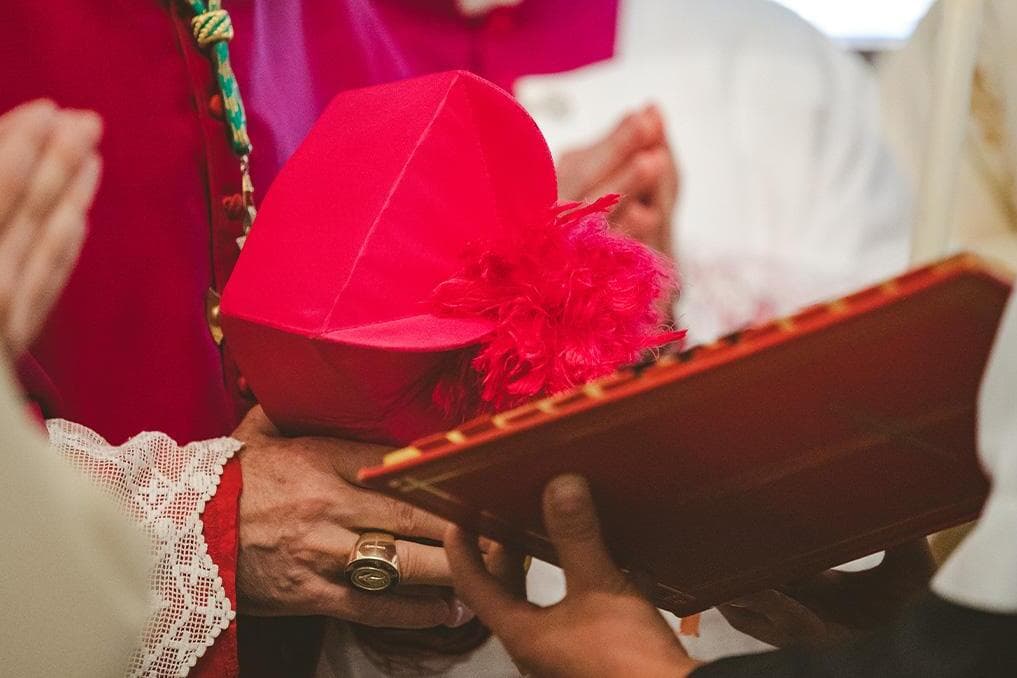
The first bishop of the newly established Diocese of Zhangjiakou in northern China was ordained to the episcopate Sept. 10, the Vatican has announced.
The Vatican also announced that Pope Leo XIV had decided to erect the new diocese July 8, simultaneously suppressing the historic dioceses of Xiwanzi and Xuanhua.
Bishop Giuseppe Wang Zhengui, 62, will lead the new diocese. He was ordained to the priesthood in 1990 after seminary studies in Hebei. He served as a parish priest and later in diocesan ministry in both Xianxian and Xuanhua before being appointed as bishop of the Diocese of Zhangjiakou.
The Zhangjiakou diocese was created by the Chinese Communist Party (CCP) in 1980 but until now was not recognized by the Holy See, which instead maintained the recently suppressed dioceses of Xiwanzi and Xuanhua as the legitimate dioceses for the territory, according to International Christian Concern. Pope Leo’s decision — made July 8 and announced in September — brings the Vatican’s structure in line with the state-created boundaries.
The new diocese is part of the ecclesiastical province of the Archdiocese of Beijing and covers the city of Zhangjiakou and surrounding areas, with an estimated four million residents, including around 85,000 Catholics served by 89 priests.
Pope Leo made Bishop Zhengui’s appointment within “the framework of the Provisional Agreement between the Holy See and the People’s Republic of China,” according to the Vatican’s announcement.
The agreement, renewed in 2024, has faced criticism for its secrecy and for concerns that it diminishes Rome’s authority over episcopal appointments. The arrangement has come under added scrutiny after the CCP — in direct defiance of the agreement’s terms — moved to install bishops sede vacante following Pope Francis’ death.
In May, Pope Leo spoke directly about the plight of Catholics in China, asking that they remain united with the universal Church and steadfast in their witness to the Gospel, even amid trials.