Texas board approves Bible passages as required reading for public schools
The Texas State Board of Education voted June 26 to require public school students to read Bible stories as part of a statewide reading list, making Texas one of the first states to require biblical texts as part of its English language arts curriculum.

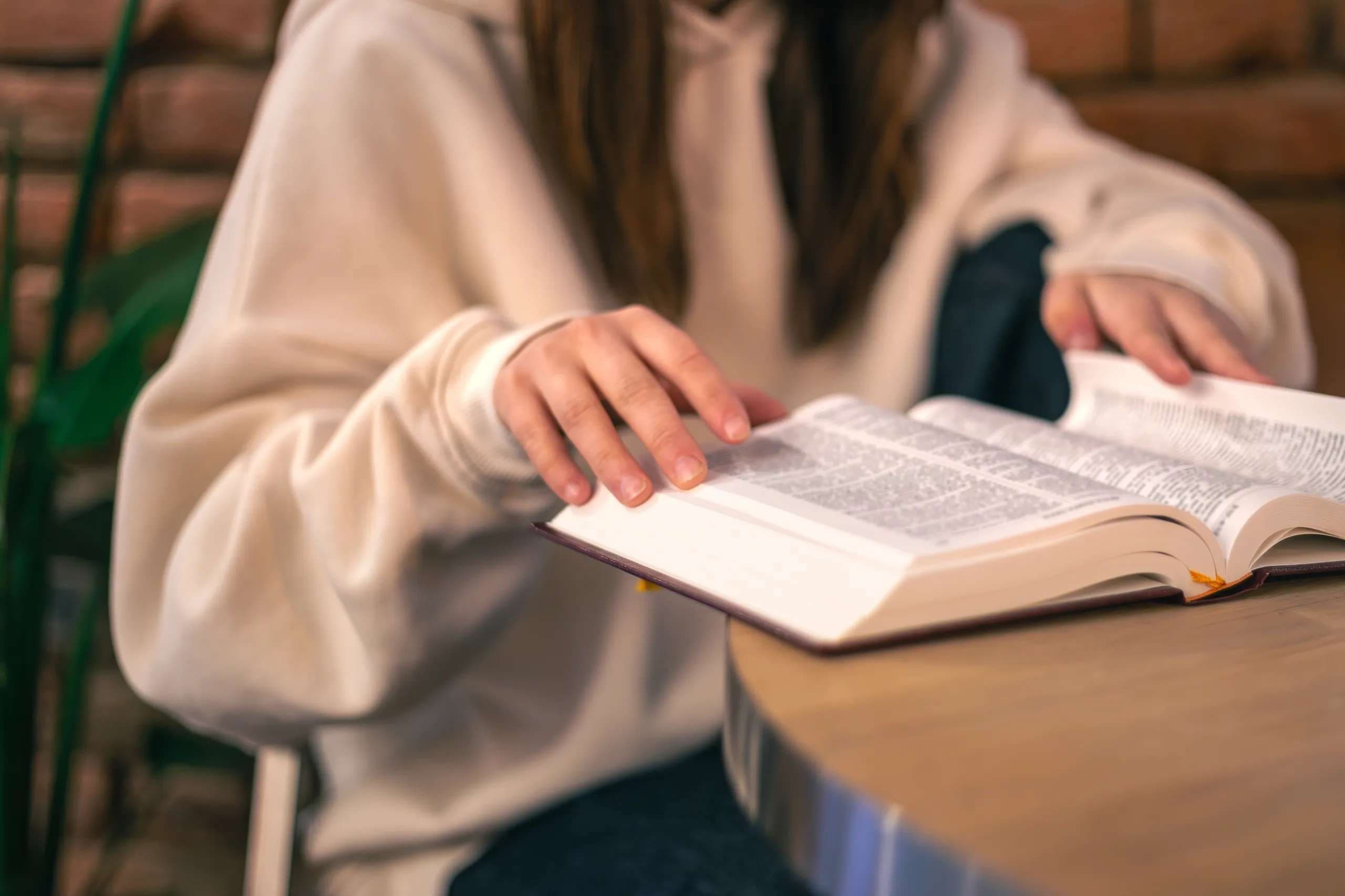
The Texas State Board of Education voted June 26 to require public school students to read Bible stories as part of a statewide reading list, making Texas one of the first states to require biblical texts as part of its English language arts curriculum.
The Republican-controlled board voted 9-5 with one member absent to adopt the reading lists, which were required under a 2023 state law directing the board to specify required vocabulary and at least one literary work for each grade level. The adopted lists contain nearly 200 literary works spanning kindergarten through high school, including selections from the Bible alongside classic works by authors such as William Shakespeare, Jane Austen, Charles Dickens, and E.B. White.
The requirements will take effect beginning with the 2030-2031 school year.
The Bible selections include stories such as "David and Goliath" and "Daniel and the Lion's Den" for younger students, while older students will study passages including Psalm 23, the Beatitudes, the Parable of the Prodigal Son, selections from Job, Ecclesiastes, and 1 Corinthians 13, according to The Texas Tribune. High school students will read certain Bible passages alongside literary works such as Great Expectations and Pride and Prejudice.
The reading lists assign different Bible passages from specific translations, including the New International Reader’s Version, King James Version, and English Standard Version.
Supporters said the curriculum recognizes the influence of the Christian tradition on American history and Western literature.
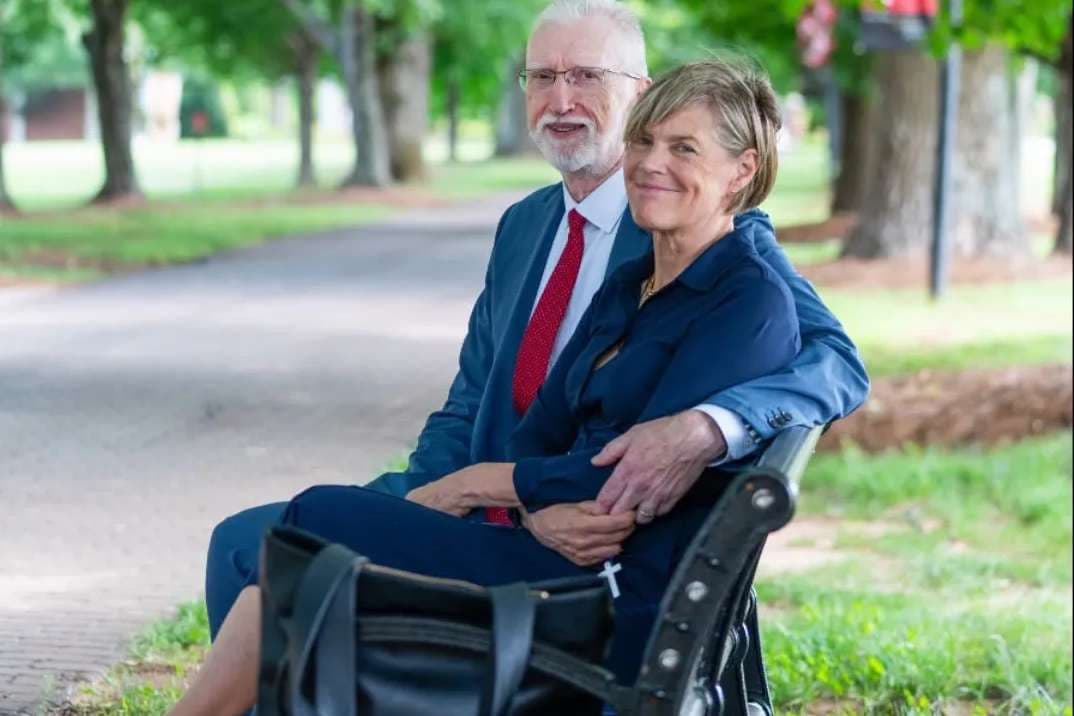
"America should celebrate our 250 years that started as a nation of unwavering Christian values," Brooke Mazel, a retiree from Lubbock who testified before the board, said.
Critics argued the required reading list gives Christianity preferential treatment and limits teachers' flexibility in selecting classroom materials.
"Kids of all faith backgrounds and no faith are served by Texas schools, and they should all feel welcome in Texas schools," Elva Mendoza, legislative communications associate for the Texas Freedom Network, said. "But this is sending the message to children that one and only one religious text — a Christian one — is worthy of making this required reading list."
The literary works lists were adopted under H.B. 1605, which the Texas Legislature passed in 2023. The law requires the State Board of Education to identify required literary works for each grade level as part of the state's English language arts standards.
The vote builds on recent efforts by Texas Republicans to expand religion in public education. The state has approved an optional Bible-based elementary curriculum, authorized public schools to employ chaplains, and required classrooms to display the Ten Commandments.