Combat decision fatigue: strategies for overwhelmed mothers
Calling all mothers! You make tons of decisions daily. Learn how to reduce decision fatigue and find peace through practical tips that simplify daily routines.

Mothers face hundreds of choices each day. From the bigger decisions of which school to choose to the small ones—like whether to give your toddler that snack they’ve asked for 10 times—it’s no surprise that decision fatigue is a major contributor to mom’s exhaustion. Microdecisions may be silently sapping your joy. Cut back on decision fatigue to lighten the load of motherhood and free yourself up to be more peaceful and present.

What is decision fatigue?
Each decision—no matter how small—requires cognitive effort, which gradually depletes a limited pool of mental resources such as attention, willpower, and self-control. As this cognitive load accumulates, the brain becomes less effective at weighing options and resisting impulses. Research shows that repeated decision-making can reduce activity in the prefrontal cortex, the area responsible for executive function and rational thought. Stress, lack of sleep, and emotionally charged decisions can speed up this depletion. Moms everywhere face countless decisions throughout the day, which can leave you drained, frazzled, and foggy. Here are six tips to decrease decision fatigue and reclaim motherhood with joy and confidence:

Your “mom uniform”: Style without stress
Getting dressed in the morning helps you show up for the day. Setting aside a few capsule outfits as your “mom uniform” is an excellent way to prepare for the day’s demands without draining your mental resources. When selecting your uniform, consider your daily routine and the local climate. Pick something low-maintenance that you feel confident in. Natural fibers like merino wool are durable and breathable. Want to take it further? Try Wool&’s 30-day or 100-day challenge: wear one of their timeless wool dresses on repeat, and they’ll send you a gift card.

Front-load your decisions
This is especially helpful if you’re short on sleep. Add decisions that require more focus to a list, and tackle them early in the day before your energy runs out. Block out a time—like Saturday morning or before the kids wake up—to give those decisions the attention they deserve. Knowing your list has a set time will lift the stress of unmade choices.

Beat bedtime exhaustion with scheduled joy
You know that moment when the kids are finally in bed and all you want to do is collapse on the couch? The last thing you want is another decision. Break out of the couch-flop cycle by making self-care a daily non-negotiable. Pre-plan a simple “scheduled joy” for each day of the week—something attainable even on the most depleted days. By removing in-the-moment choice, you no longer rely on sheer willpower to avoid doomscrolling. Example weekly schedule:
- Monday: reading
- Tuesday: cup of tea
- Wednesday: craft/knitting
- Thursday: fun snack/treat
- Friday: reading
- Saturday: TV show
- Sunday: bath or candlelight shower

Reverse meal planning: Last year’s dinners, this year’s peace
Meal planning can feel overwhelming, but knowing what’s for dinner brings peace. If traditional strategies haven’t worked, try reverse meal planning: track your meals for a year, then repeat them the following year. Seasonality, family favorites, and variety are built in. Don’t just plan the main dish—include sides to automate the process fully. Stay flexible (swap proteins based on sales, for example), but beware of chasing novelty for its own sake. Monotony isn’t the enemy—it’s your ticket to a simpler life. Over time, family favorites become signature dishes of your family culture.
Foster independence with Montessori setups
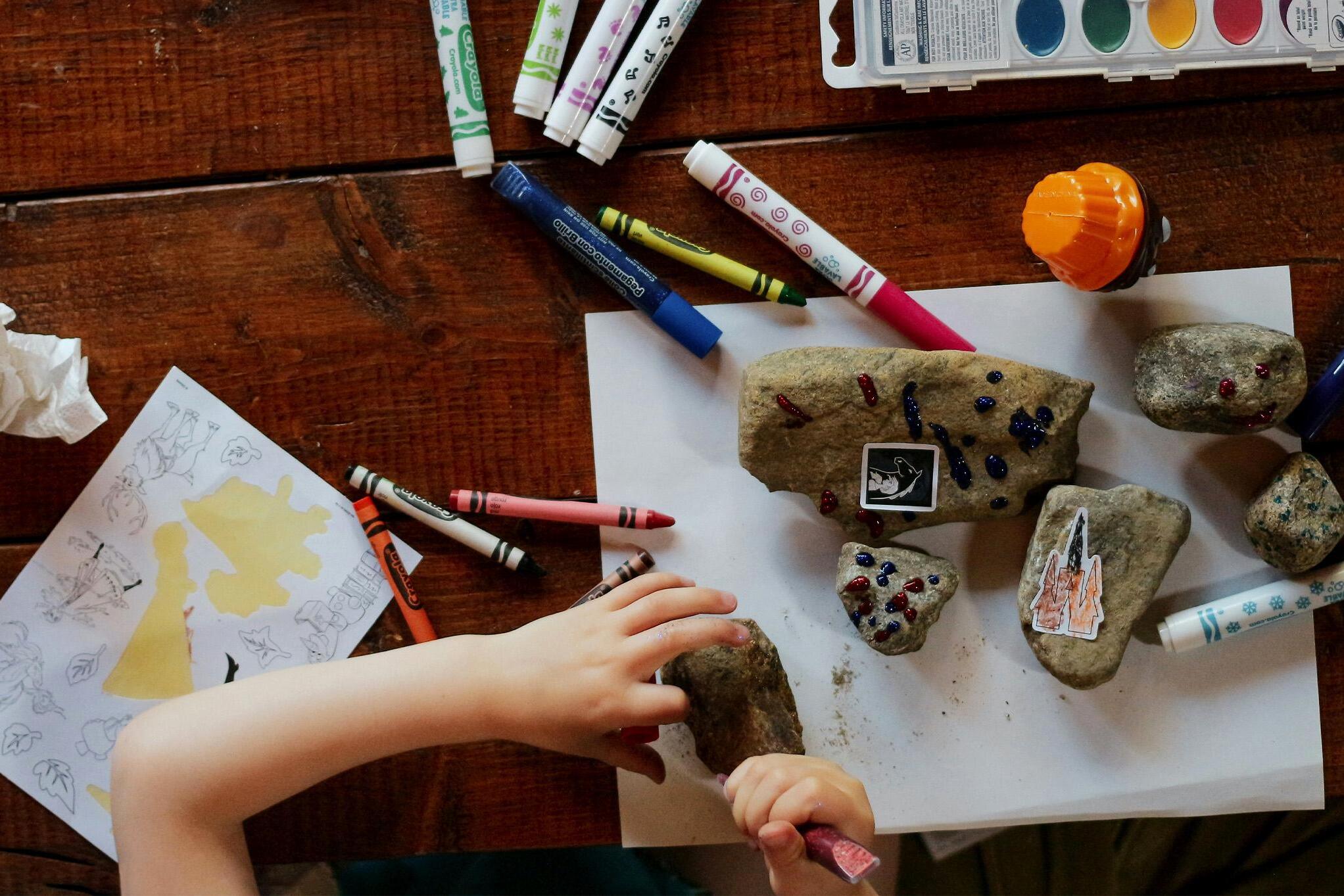
Many microdecisions come from kids. Free yourself from constant involvement by adding Montessori-inspired systems at home. Store activities and supplies together—like a watercolor set with paper, brush, and water cup—so kids can start without your help. Other options: playdough kits, cutting-and-pasting work, or beading sets. Show children how to clean up so they own the whole process. Extend this principle to snacks with a daily “yes basket” of options they can choose from. Fostering independence helps your kids grow—and saves you serious brainpower.
Toy rotation: a simple fix for cognitive clutter
Moms aren’t the only ones worn down by too many choices. Help kids (and yourself) by limiting available toys. Rotating toys keeps children engaged without overstimulation, and it simplifies cleanup. Divide toys into two or three large bins and rotate them every few weeks. The excitement of “rediscovering” old toys will buy you extra peace and quiet as they play longer and more creatively.